
Research
Origins
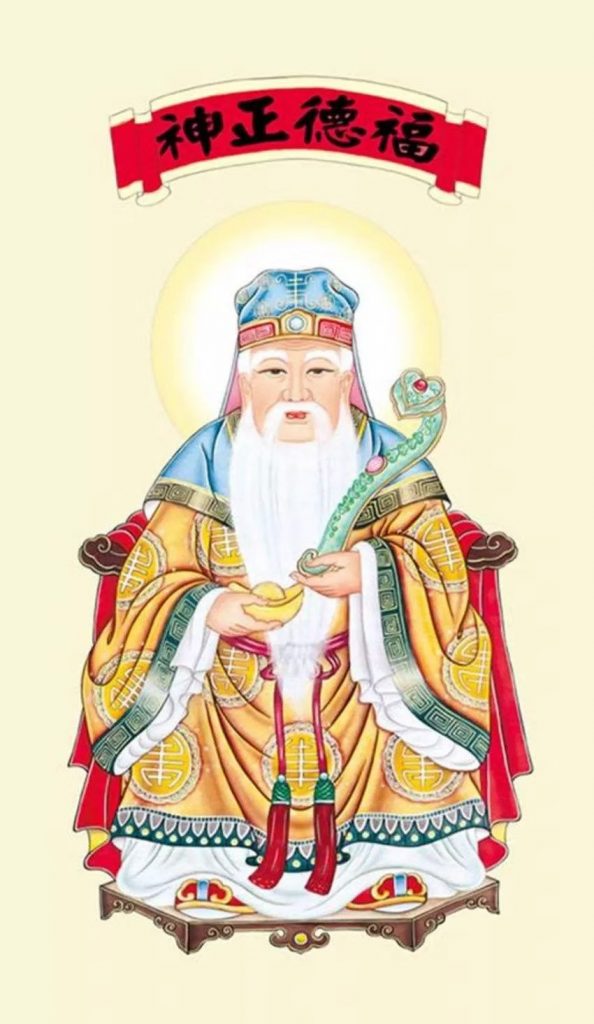
Tu Di Gong, also known as Fu-de-zheng-shen—meaning “The Orthodox Deity of Blessings and Virtue”—occupies a unique position in Taiwan’s religious landscape. Although he holds a relatively low rank in the celestial hierarchy, he is the most widely recognized deity. Shrines dedicated to him can be found in almost every corner, making him the most intimate and accessible god to the public.
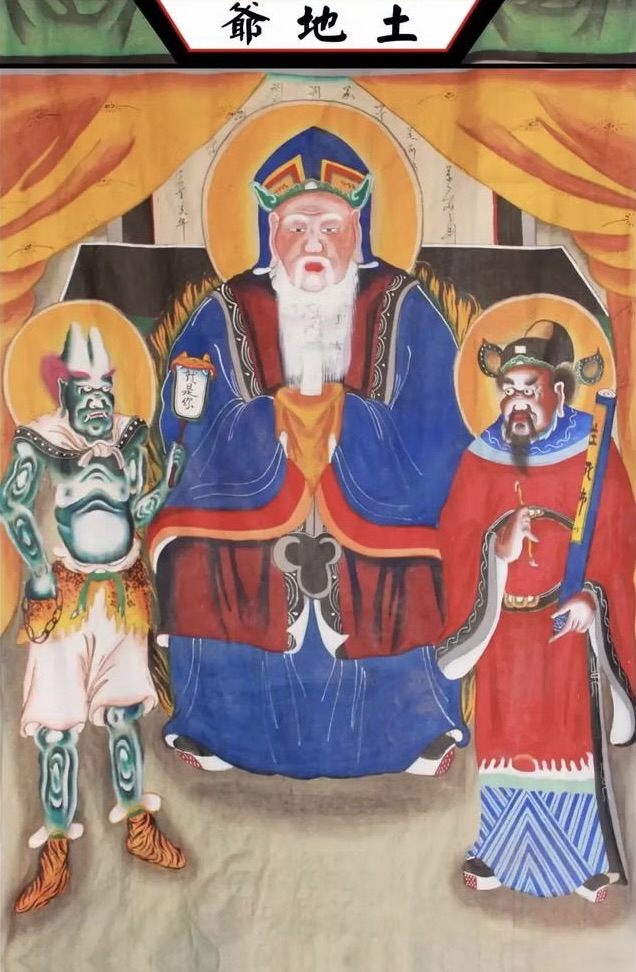
The origins of Tu Di Gong can be traced back to the ancient Sheshen (God of the Soil), who was the personification of the Earth itself. Throughout history, everyone from emperors to commoners worshipped Sheshen out of a shared recognition that the Earth nourishes all living things. Beyond these ancient roots, folk legends also suggest that many Earth Gods were originally mortals of high character who were deified after death due to their integrity. This “localized” nature explains why there are so many diverse manifestations of Tu Di Gong today.
History
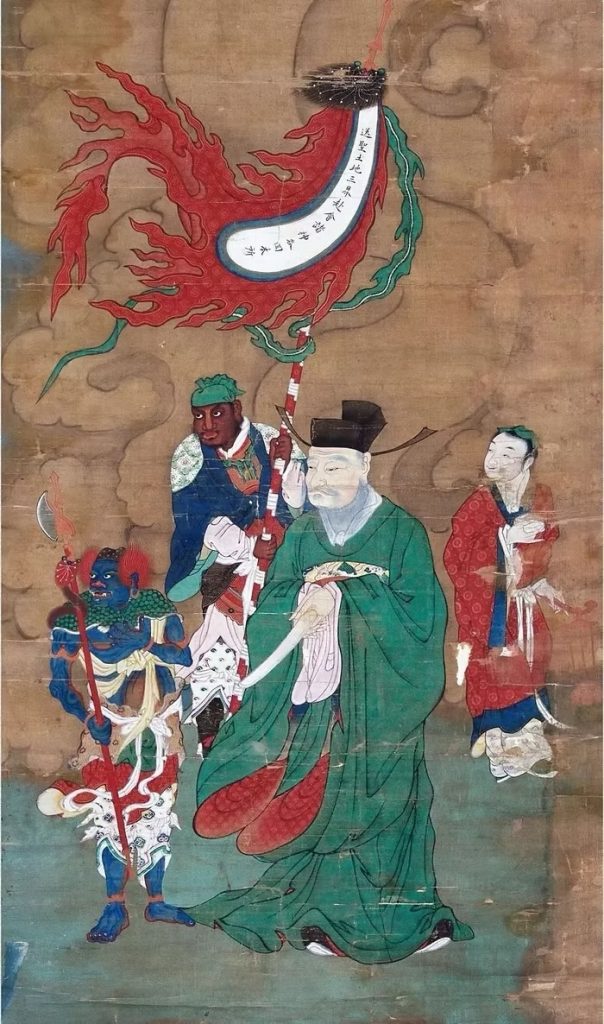
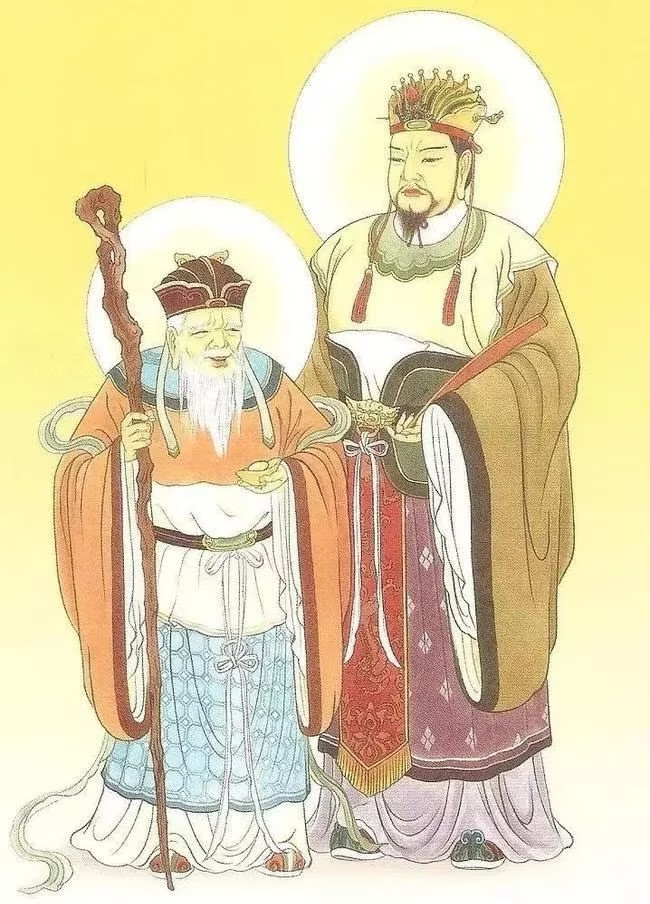
Fu-de-chang in childhood was intelligent and was a good son. He was hired honorably as an empire tax collector at the age of 36. He was full of integrity and loved the people. When people couldn’t pay the taxes, he would extend the date for paying, and when people couldn’t afford to pay the salary. He would help them by giving away his own salary. He helped his people as much as he could, he would do anything for his people. He was respected and cherished. In order to pay back his kindness, when he died, people built a temple just for him and named him “Fu-de-zheng-shen.”
There are in total five events for the Earth god: the first one on his birthday, which is called “The first business rite”, the second one in which he was ascended as god, is called the “Fall festival.” The third one is about how the Earth god was worshipped on every 2nd and 16th day of the lunar month, simply “Offering to the gods.” The fourth one is on December 16th and is called “A year-end banquet for employees,” and the final celebration is at the end of the year. Chinese people formed their culture and society with agriculture, and they pray for good harvests; for now, soldiers, farmers, workers, and merchants all believe in the power of the earth god, who is considered the most common god among all gods.
Who is Tu Di Gong?
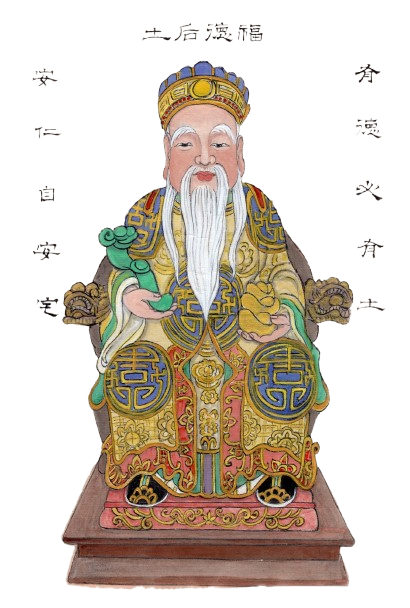
The formal name of Tu Di Gong is Fude Zhengshen (the God of Fortune and Virtue). In Taiwanese Hokkien he’s called “Tudigong”, and in Hakka, he is known as “Bak Gung”. Tu Di Gong temples are the most numerous type of temple in Taiwan, and this is where the saying “From the beginning of the field to the very end, Tudigong is there” comes from, showing the close and strong connection between the people and their guardian. According to statistics, there are 249 Tu Di Gong Temples and 28 Tu Di Gong Temples enshrined in larger temples, totaling 278 temples, averaging 7 temples per square kilometer.
Why is the density of Tu Di Gong so high?
The high density of Tu Di Gong Temples is because he is a grassroots deity who is really close and intimately involved in people’s everyday lives. People can pray to Tu Di Gong for protection of their health, agricultural production, marriage and childbirth, legal grievances, house building and relocation, business success, and safe travel, for all matters big and small. Thus, Tu Di Gong has become the guardian deity of residents. Tu Di Gong often moved along with the footsteps of the early settlers. Wherever the immigrants went, they could see various styles of Tu Di Gong temples erected by the early settlers in fields, at the end of the river, in front of and behind villages, and at family homes. From the simplest single stones made up of three stones to small shrines built with simple materials and fancy temples, all of these were expressions of the residents’ reverence for Tu Di Gong and his protection of their safety. The same pattern has also spread to overseas countries such as Hong Kong, Macau, Singapore, and Malaysia. Wherever there are Han Chinese people, there are Tu Di Gong temples.
Impact on Economy
In Taiwan, Tudigong is recognized as the guardian deity of the place. Tudigong beliefs taught people to cherish what they currently have, support the act of hard work and saving money, and make people aware of their ways of management towards money. This culture also contributed to the Taiwanese citizens’ savings habits, increasing the stability of the whole economy. Tudigong culture deeply impacts the management of money in Taiwan; this belief has a unique value towards the modern economy. Through beliefs and traditions, both person and community can make a balance and stabilize in the consumer society, establishing a continuous environment for economy and culture.