
Overview
Overview
In this research project, we collected comprehensive data on the culture of Tu di gong, covering its origins, customs, architectural styles, and folk legends. We also visited the Taoyuan Land God Culture Museum to experience the culture firsthand, and interviewed Ms. Chen Ruo-lan to learn about the background and spiritual knowledge of this faith. Subsequently, we visited the Taoyuan Jing fu Temple and various Tu di gong temples in the surrounding business districts. Through this process, we discovered the significant influence that cultural beliefs exert on local economic development.
Theme
Our theme of Tudigong narrows down towards the exploration of the cultural impact of its beliefs on the Taiwan communities. By diving into aspects such as, but not limited to, customs, originality, and architecture relevant to Tudigong, we gained more understanding about the significance it has towards Taiwanese societies. In addition, by investigating in different places and people, including the visit of Taoyuan Tudigong cultural museum, the observation of Jingfu temple, and the interviewing of the experts, we learned that Tudigong not only serves as a traditional belief but also acts as an event to strengthen bonds between people. We hope that by presenting the project, we can introduce this unique culture on the international stage and allow more people to get to know about the culture of Tudigong.
Summary
The formal name for Tudigong is “Fu-De-Zheng-Shen,” which is the most commonly worshipped god in Taiwan. Although the divinity of Tudigong is not considered high, he controls everything relevant to life, just as warm as the traditional “head of the neighborhood,” protecting everyone from the elements of daily life.
According to the statistics, the Tudigong temple is recognized as the largest temple in Taiwan. Using special areas, for example, there are 278 temples on average. Every square kilometer has 7 temples. This demonstrates the importance of Tudigong to the people. Every temple is not only a place where citizens interact and socialize, but it is also the earliest mental support for people who encounter unknown disasters.
Tudigong belief has been popularly worshipped by Taiwanese citizens. As the temples are established, people descend on adjacent social areas, making the nearby malls flourish, acting as one of the most significant contributors to the development history. The Tudigong worshipping states the Han people’s “gratefulness for the land” and “praying for a safe living.” The offerings are mostly according to the taste of “soft and sugar”; the offerings represent the simple, heartfelt wish of the faithful: by pleasing the deity’s palate with sweet offerings, they hope to exchange them for a “sweet” life and a flourishing career.
Description of Our Community
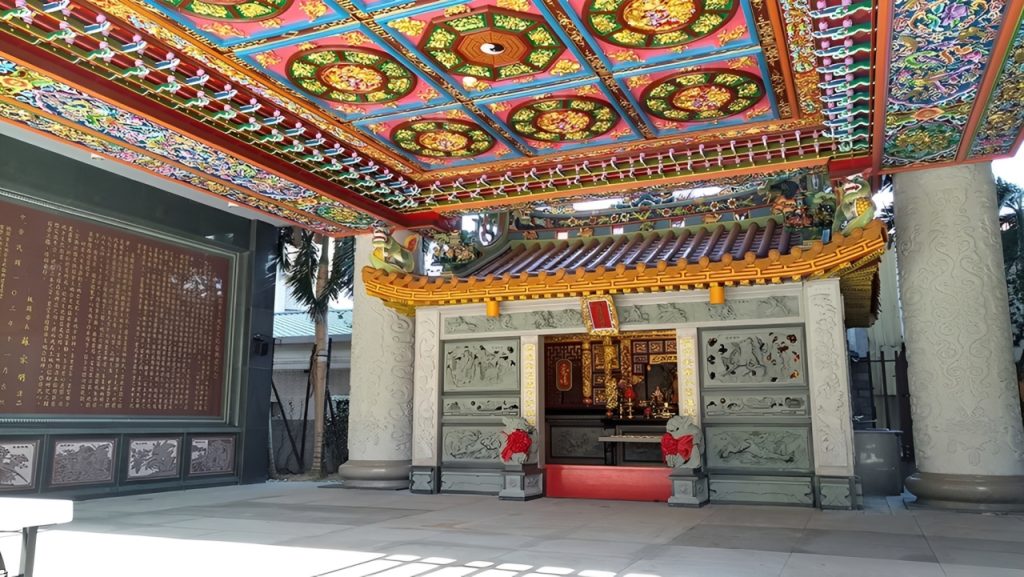
Our community is located in northwestern Taiwan; Taoyuan City is one of the country’s six special municipalities. It is characterized not only by its diverse ethnic groups but also by having the highest density of Tudigong temples in Taiwan. The Tu di gong belief has driven community economies while providing people with solace and hope.
Our Computer and Internet Access
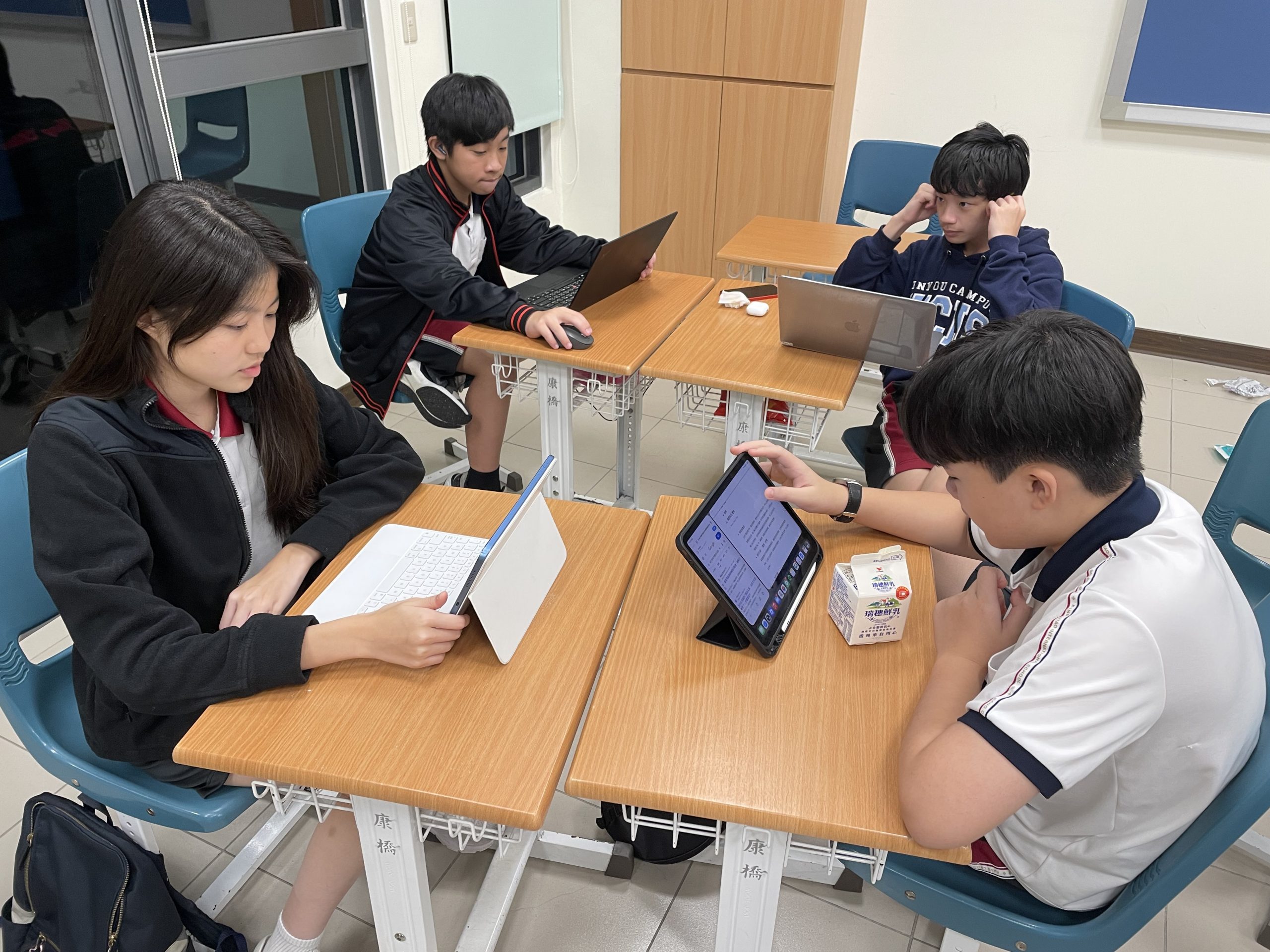
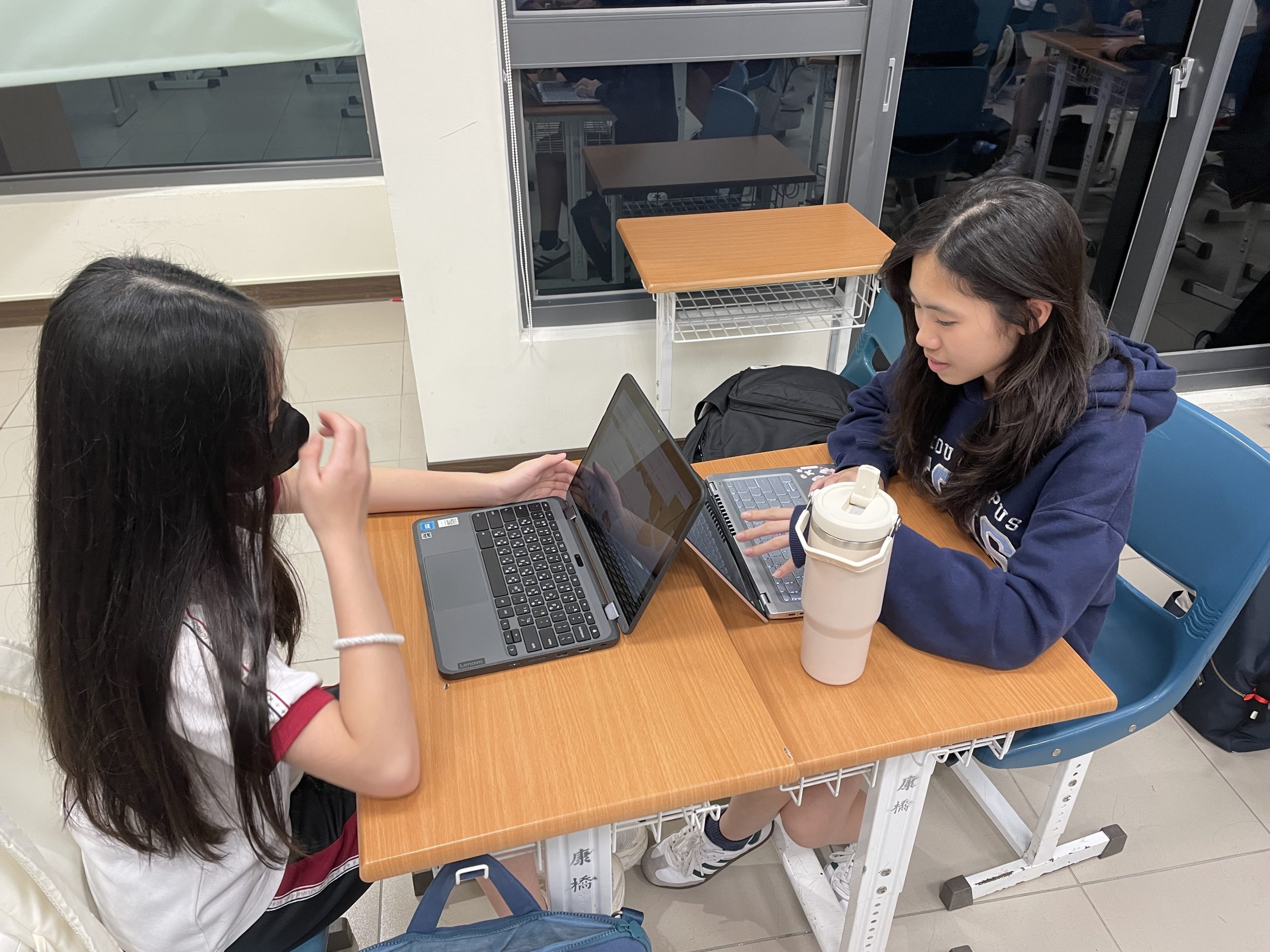
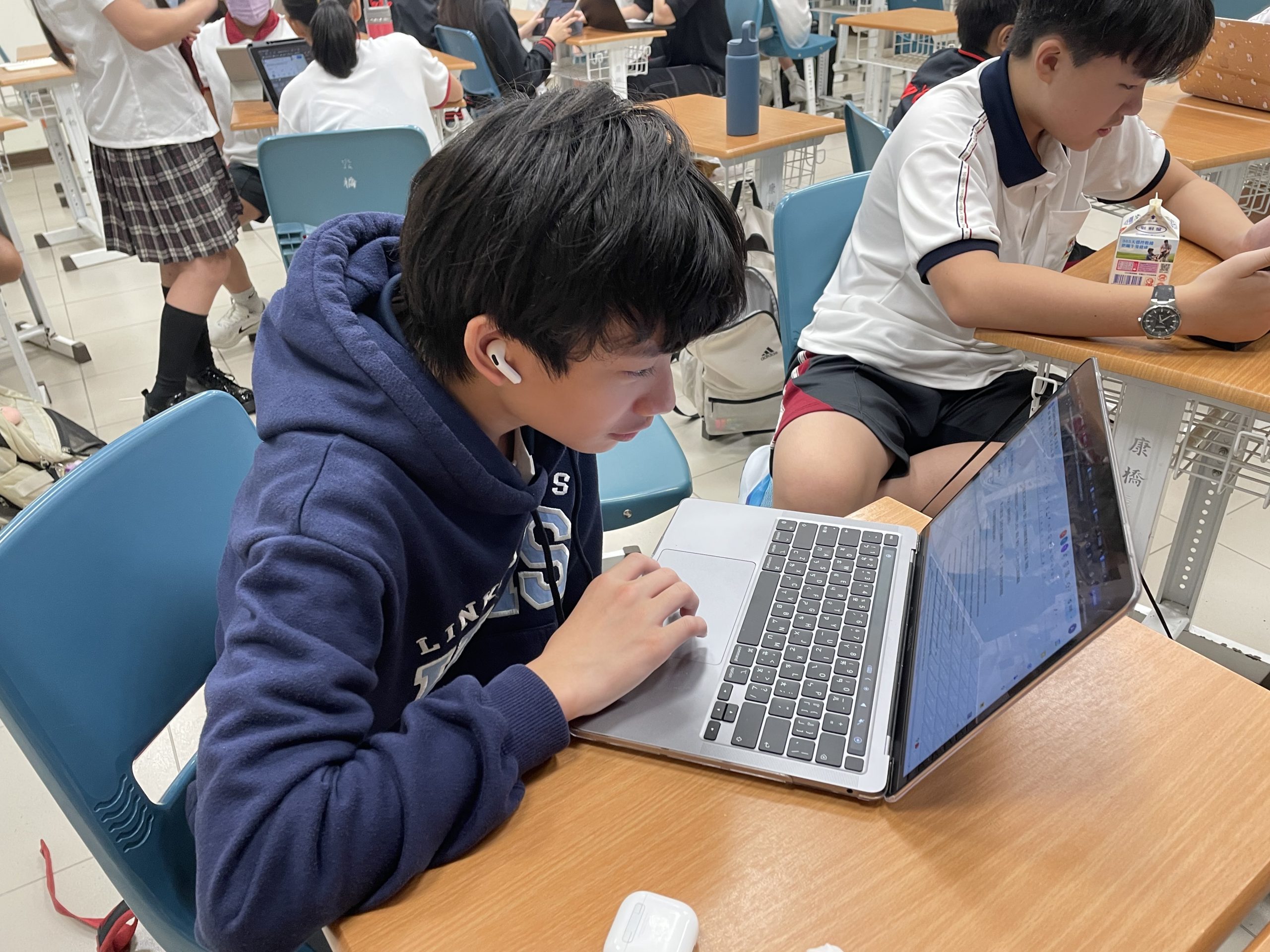
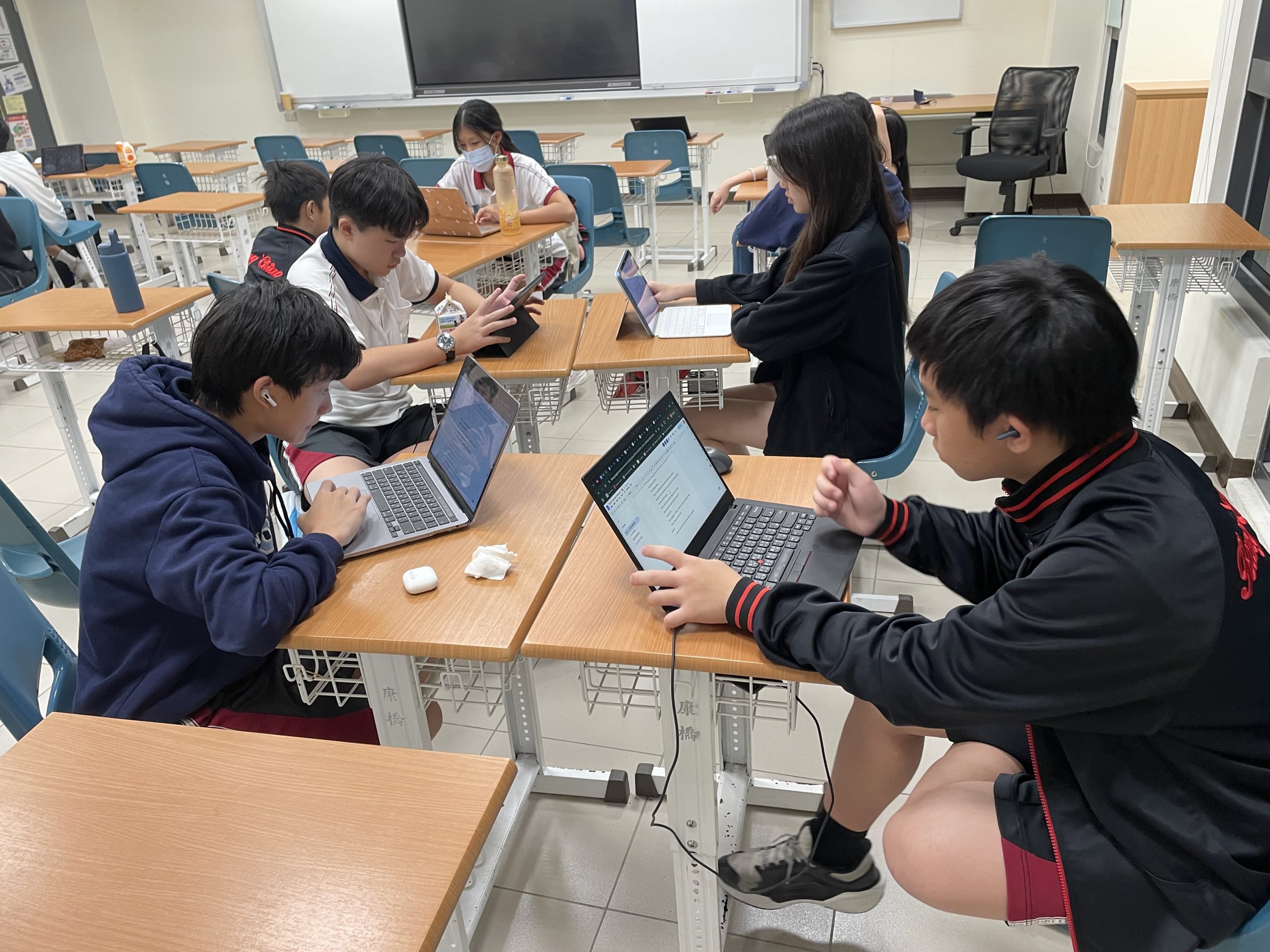
In today’s rapidly evolving digital age, the widespread availability of the internet allows teams to manage information more efficiently and conveniently. By sharing online resources, team members can edit the same document simultaneously, increasing accuracy and ensuring broad coverage.
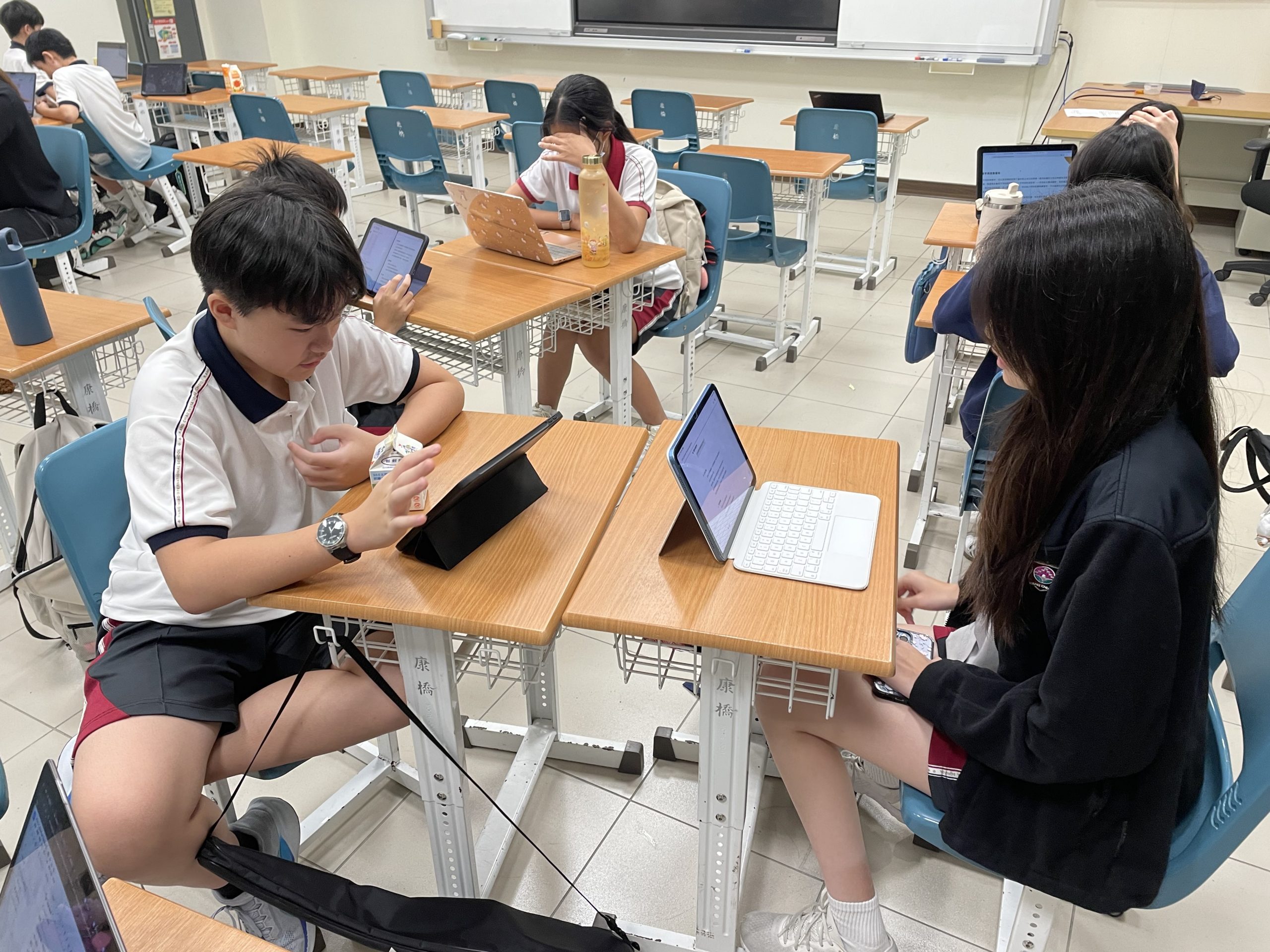
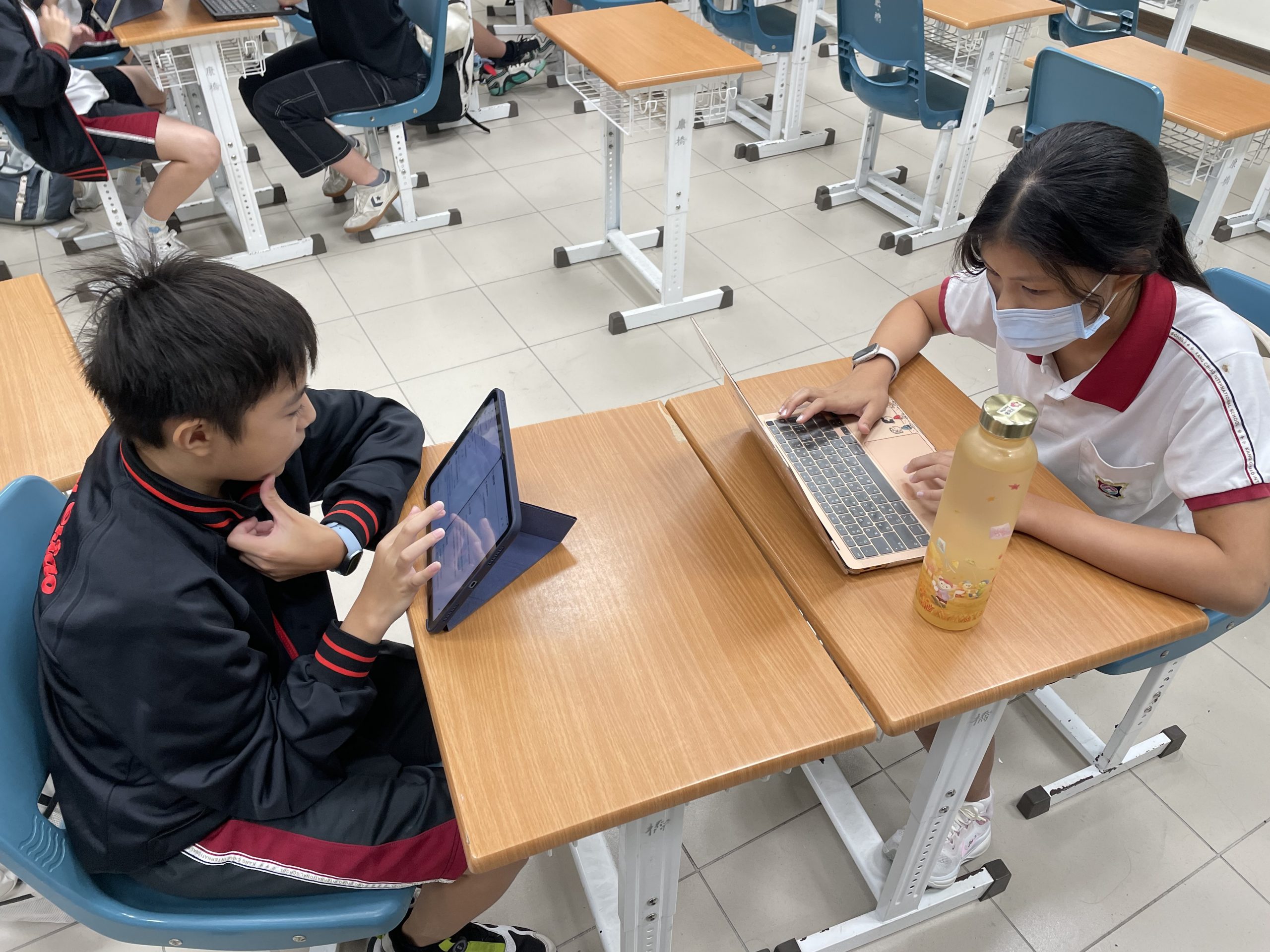
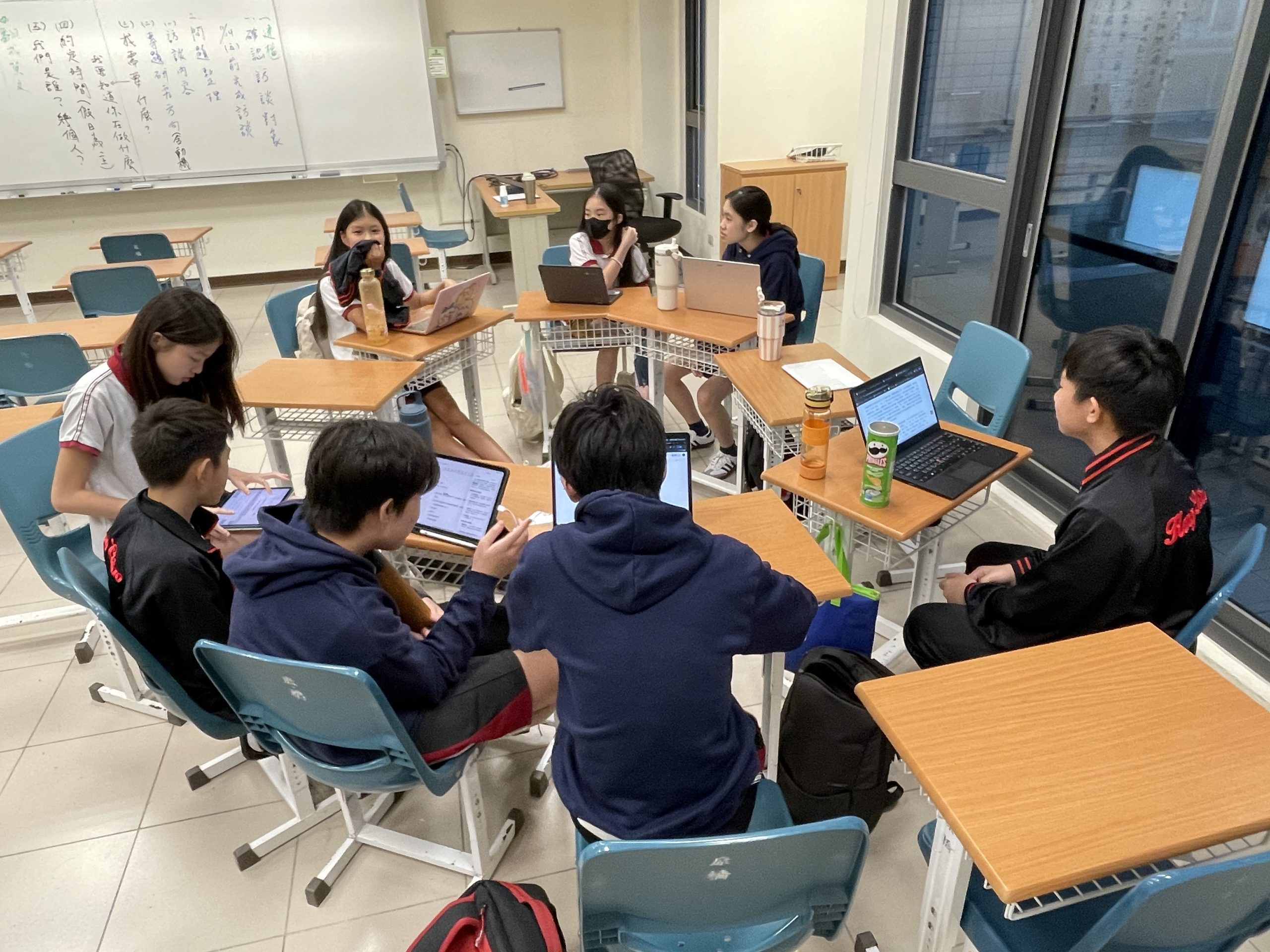
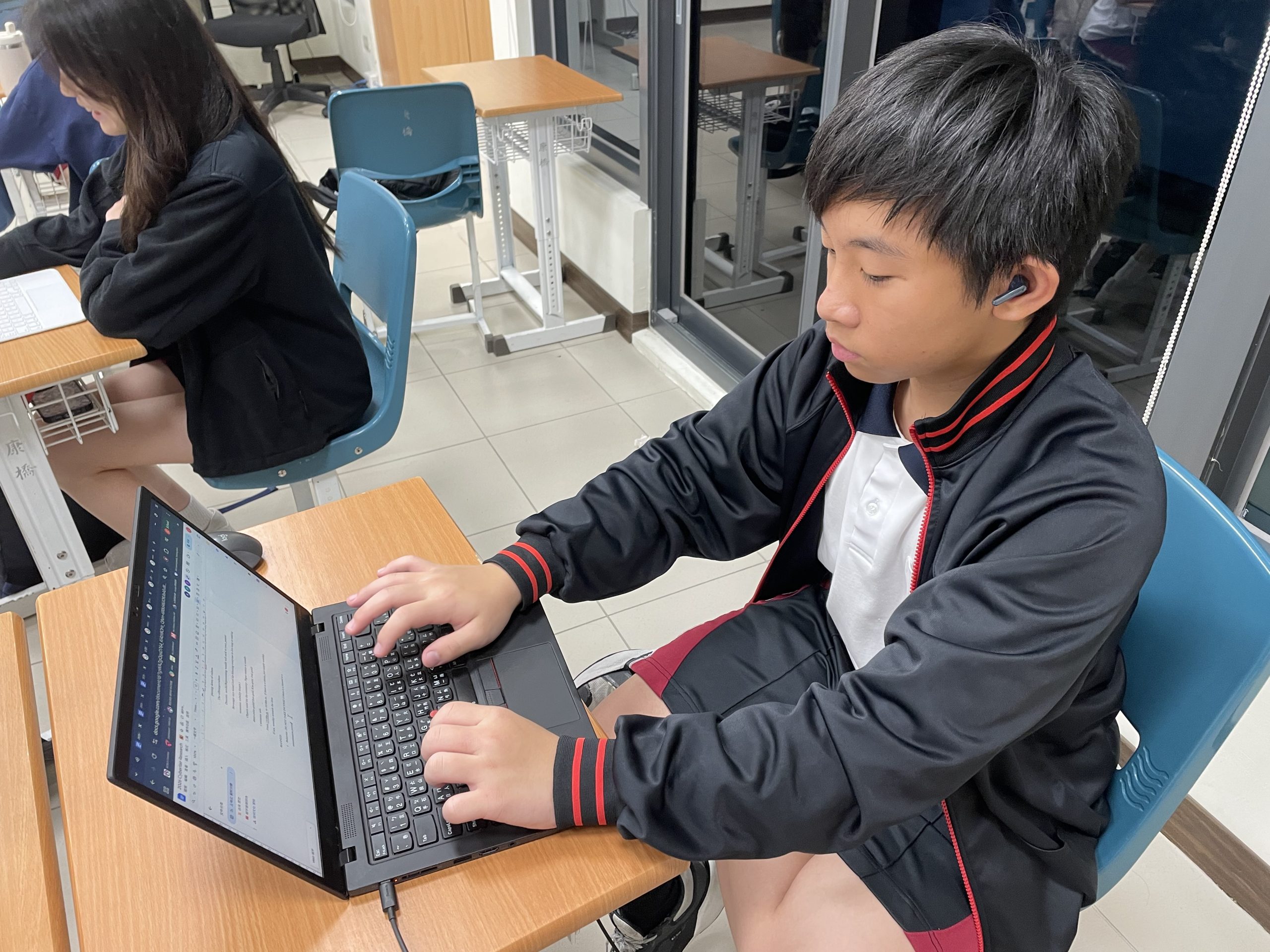
All members involved in this project (including one teacher and nine students) have internet access both at school and at home. We have a total of 10 laptops and 10 mobile phones. The network speed in the classroom is approximately 100 Mbps. We effectively utilize these resources for planning, communication, research, data organization, video editing, website setup, and project reflection.
Problems We Had To Overcome
Regarding team task allocation, the significant age gap among team members and their busy academic schedules meant we could only meet once a week, making task allocation a crucial issue. We addressed this through an after-school club, assigning clear roles and creating pre-planned time allocation schedules to ensure everything was on track. We also utilized file-sharing tools to allow everyone to work during their free time. In terms of website technology, we learned how to organize scattered data into structured paragraphs and place them on a website. This required mastering WordPress website design, layout, and data visualization skills. By experimenting with various fonts and table plugins and referencing others’ work online, we successfully created a neat and aesthetically pleasing website. In conclusion, while this research was challenging, it also provided us with opportunities to learn through brainstorming and collaborative problem-solving.
Our Project Sound Bite
“Our goal is to bridge the gap between ancient tradition and modern life by helping the community rediscover the Tu Di Gong faith. We explore how this ‘neighborhood warden’ belief strengthens social cohesion, drives local economies, and remains a vital pillar for resilient urban development in the digital age.”
Required coursework & curriculum standards
Our research encompassed social sciences, architecture, language, and art disciplines, exploring the origins and traditions of the Earth God through history; understanding the structure and totems of Earth God temples through architecture and art, as well as the creation and painting processes of the deity’s costumes, etc. We also used our knowledge of language and art to interview Professor Chen Ruolan. This research is somewhat related to Taiwan’s promotion of the inheritance of cultural customs and can help ensure the continuation of culture. In this process, I learned not only web design and data collection, but also profound lessons in leading and managing a team, the preparation required for interviews, and improvisation during interviews.
Throughout this process, the skills I acquired extended far beyond web design and data collection. I gained profound experience in team leadership and management. Specifically, I learned how to meticulously prepare for interviews and adapt to live situations. As our team members varied in age and managed different academic workloads this year, we mastered the art of effective labor division and time management. I believe this research serves a vital role in both our community and the school curriculum by acting as a bridge for cultural transmission, encouraging the younger generation in Taiwan to embrace and carry forward these significant customs.