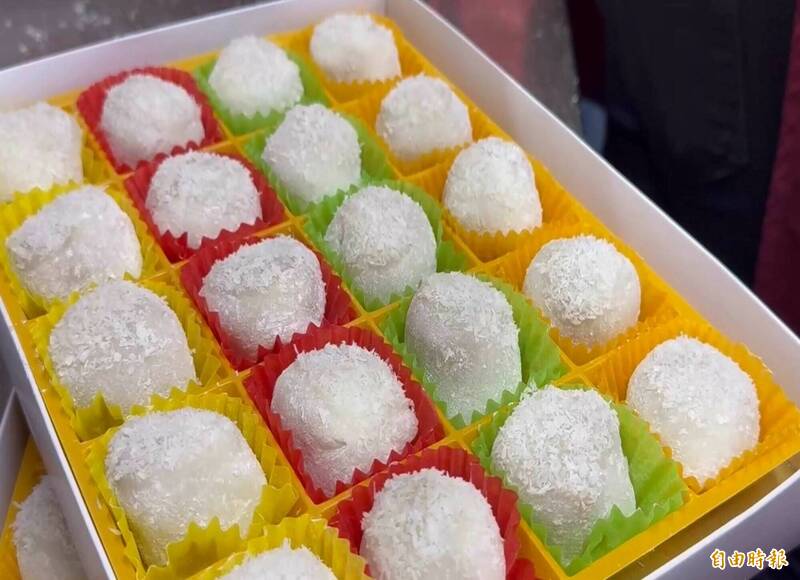
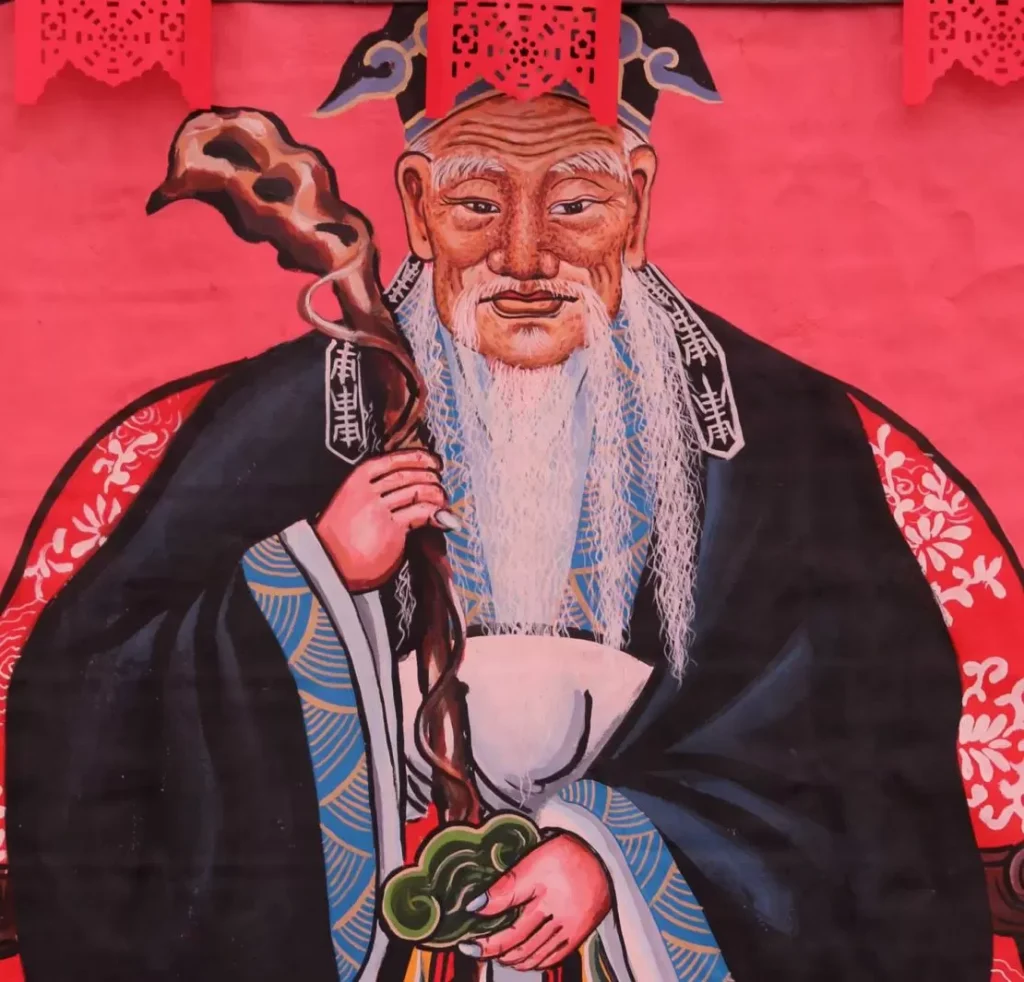
The First Ya (Tou Ya) on the 2nd day of the 2nd lunar month is the first day of the year to worship Tu Di Gong, commonly known as “Tu Di Gong’s Birthday” or “Dragon Head-Raising Day.” Traditionally, sweet offerings such as mochi and peanut brittle are prepared to worship Tu Di Gong, praying for prosperous business and abundant wealth throughout the entire year.
The 15th day of the 8th lunar month is not only the Mid-Autumn Festival but also the day Tu Di Gong attained enlightenment for his birthday. People worship Tu Di Gong during the Mid-Autumn Festival to express gratitude for protecting the bountiful harvests and local peace, while also praying for financial prosperity in the coming year.
The Year-End Ya (Wei Ya) in the middle of the 12th lunar month is the final “Ya” ceremony of the year. Every household prepares lavish offerings to worship Tu Di Gong as a way to express gratitude for his protection over the past year, with businesses conducting even more solemn and grand ceremonies. Among the offerings, a rooster is indispensable; it not only symbolizes a flourishing business but also serves as a gesture of appreciation for everyone’s hard work throughout the year.
Procession - Rao jing
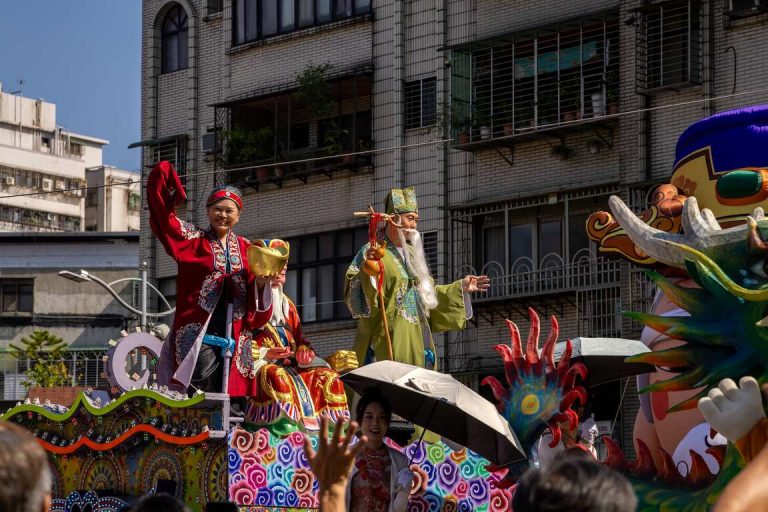
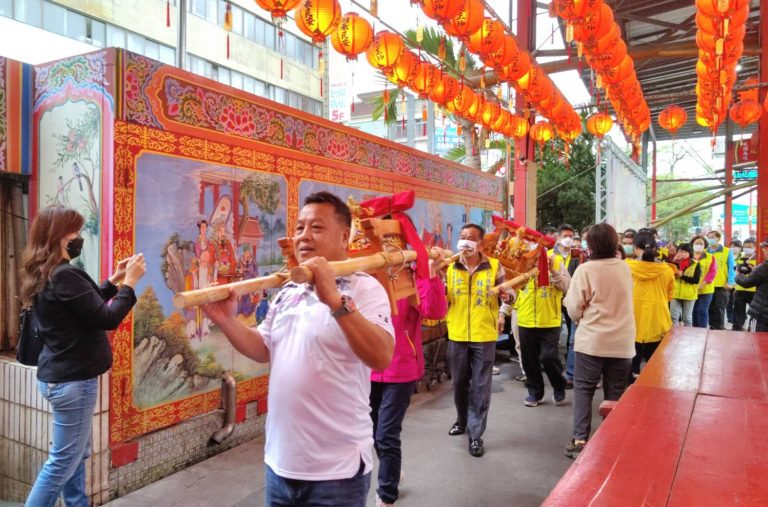
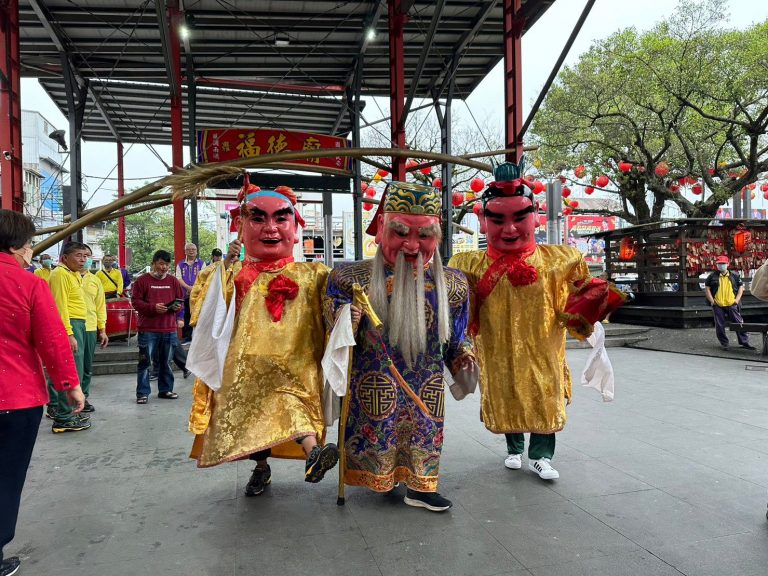
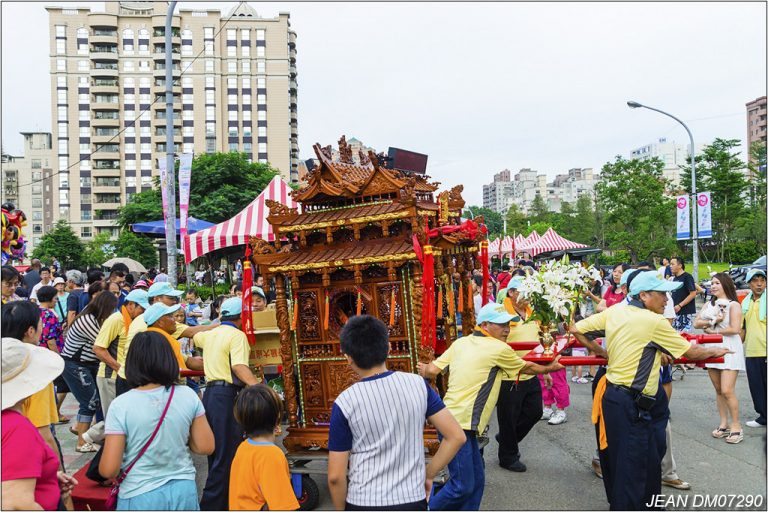
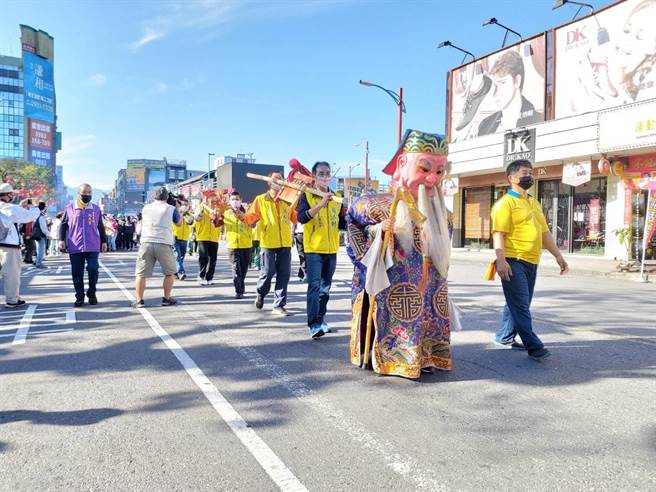
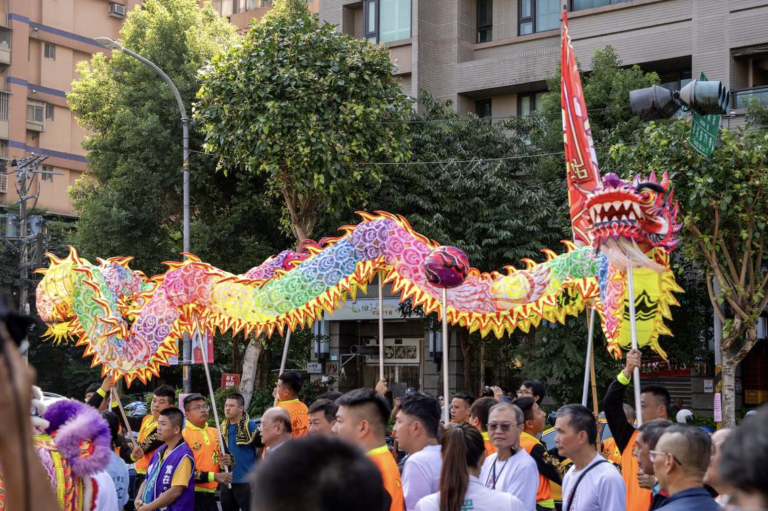
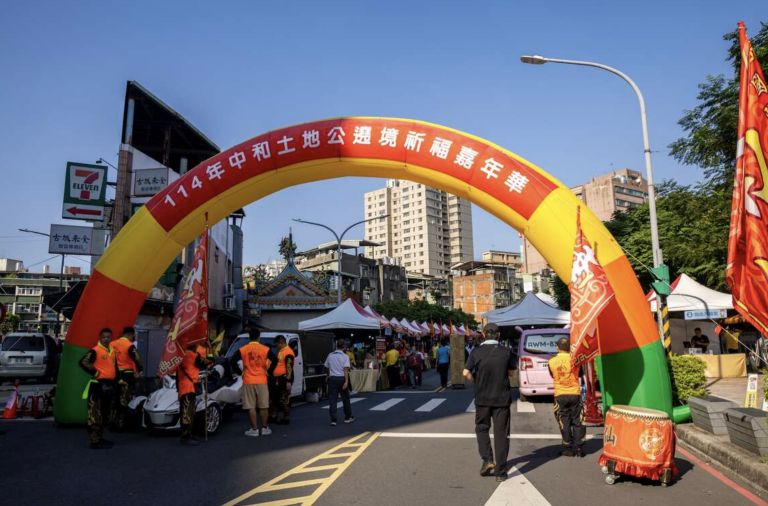
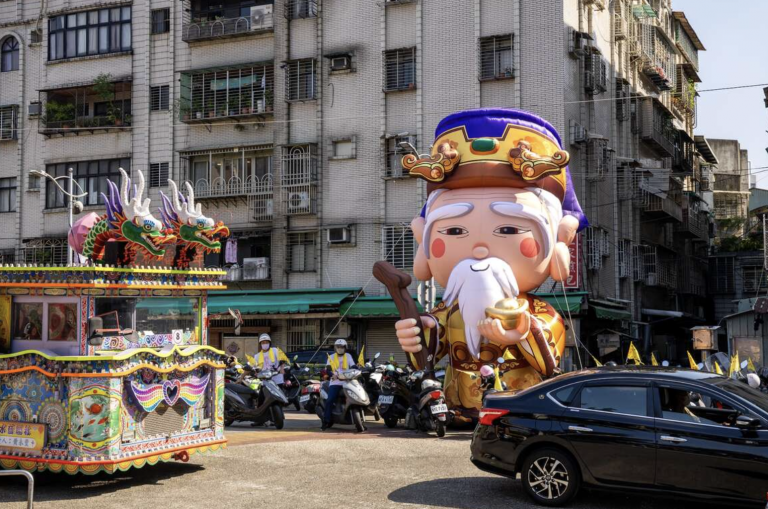
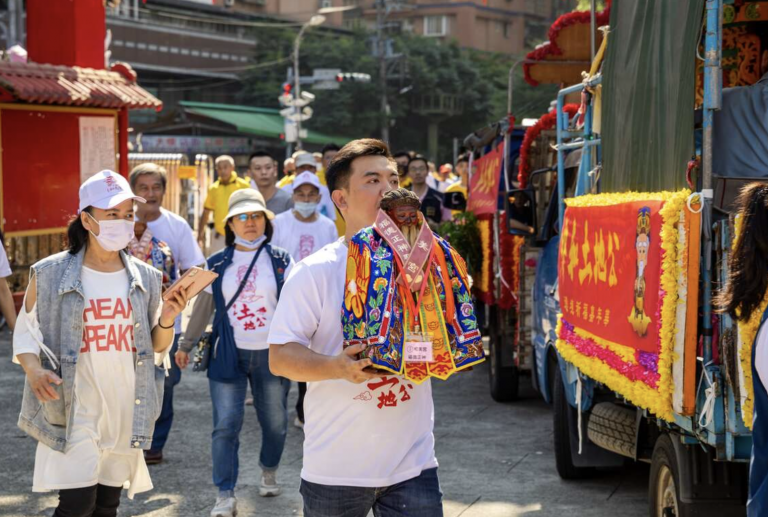
The Tu Di Gong Procession is a traditional Taiwanese folk belief. These processions are held to pray for local peace, bountiful harvests, and financial prosperity. They are commonly seen during the “First Ya” on the 2nd day of the 2nd lunar month or the Mid-Autumn Festival. The activities include the deity’s sedan patrolling the countryside, the beating of gongs and drums, performance troupes (Zhentou), and businesses setting up incense altars to welcome the deity.
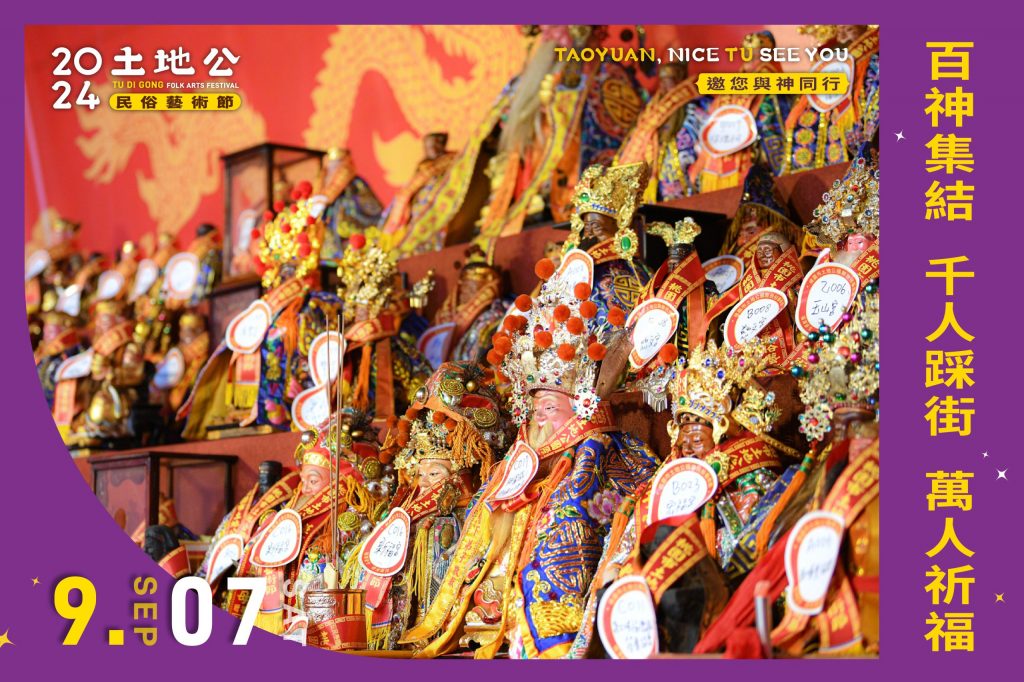
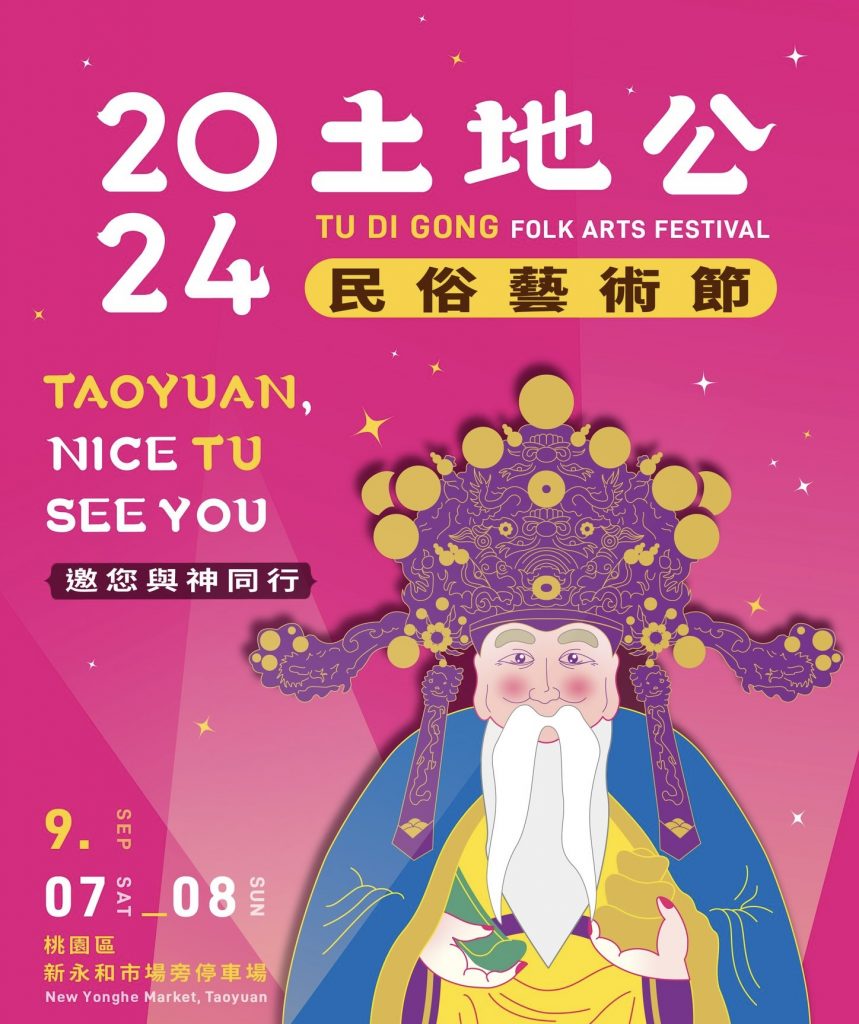
The procession lineup usually consists of a vanguard, a celebratory troupe, and the main deity section. This includes the lead flag and lanterns, dragon and lion dances, Beiguan drum ensembles, and Yige (ornamental floats). Among these, the Taoyuan City Earth God Cultural Festival is the most renowned; it has hosted joint processions featuring over a hundred Tu Di Gong statues, combining community performance troupes, painted “Fortune Peaches,” and even second-hand furniture auctions. These activities are not only matters of religious faith but also serve to strengthen community bonds
Worshipping
Optimal Timing and Rules for Offerings
The best time to worship Tu Di Gong is between 8:00 AM and 4:00 PM, as this is when “Yang” energy is at its peak, making it the most suitable time to communicate with Tu Di Gong. It is recommended to avoid late afternoon or evening worship to avoid disturbing Tu Di Gong’s rest. The number of offerings should be an odd number (such as 3, 5, 7, or 9), symbolizing Yang energy and auspiciousness. The variety of fruits should also follow this odd-number rule, ensuring that all offerings are arranged neatly and orderly to demonstrate cleanliness and sincerity.
The 5 Main Steps of Worshipping Tu Di Gong
Offering
Legend has it that Tu Di Gong has a sweet tooth. However, because of his advanced age and his teeth are not as strong as they used to be, it is best to prepare sweet offerings that are soft and easy to chew. Here are few offering foods tha Tu Di Gong likes.
Mochi (Sticky Rice Cakes): Symbolize "sticking to wealth". Can attract and keep money.
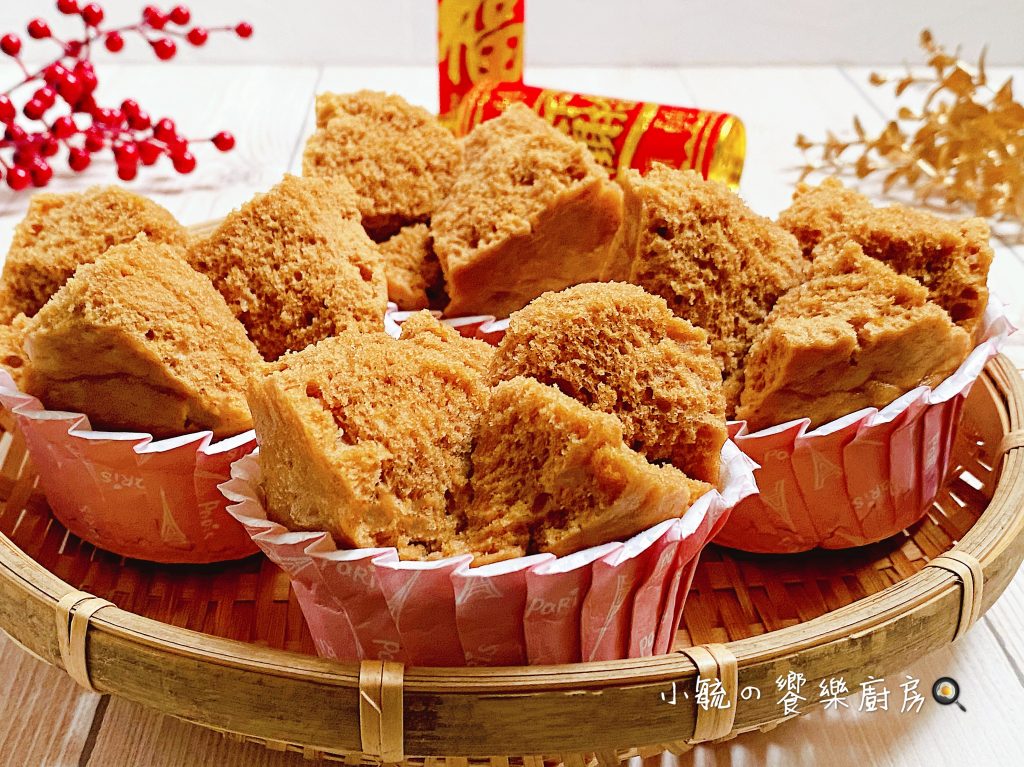
Cakes and Pastries: Including Rice Cakes (Niangao), Prosperity Cakes (Fagao), and other small snacks; they symbolize "rising step by step."
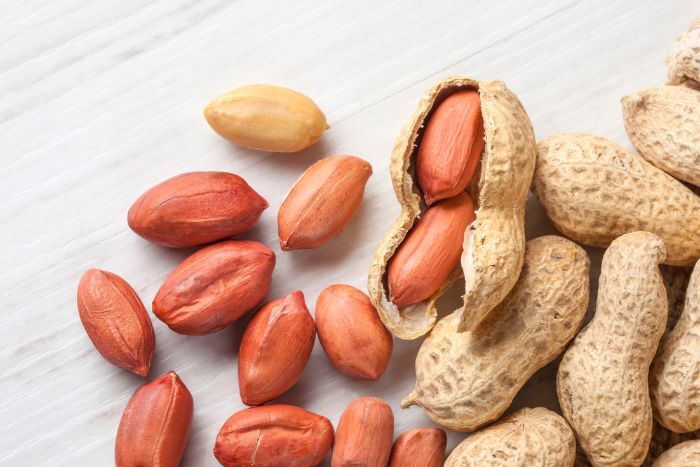
Peanuts in the Shell: Symbolize "shelling for good luck" (shedding old misfortune to welcome new luck).
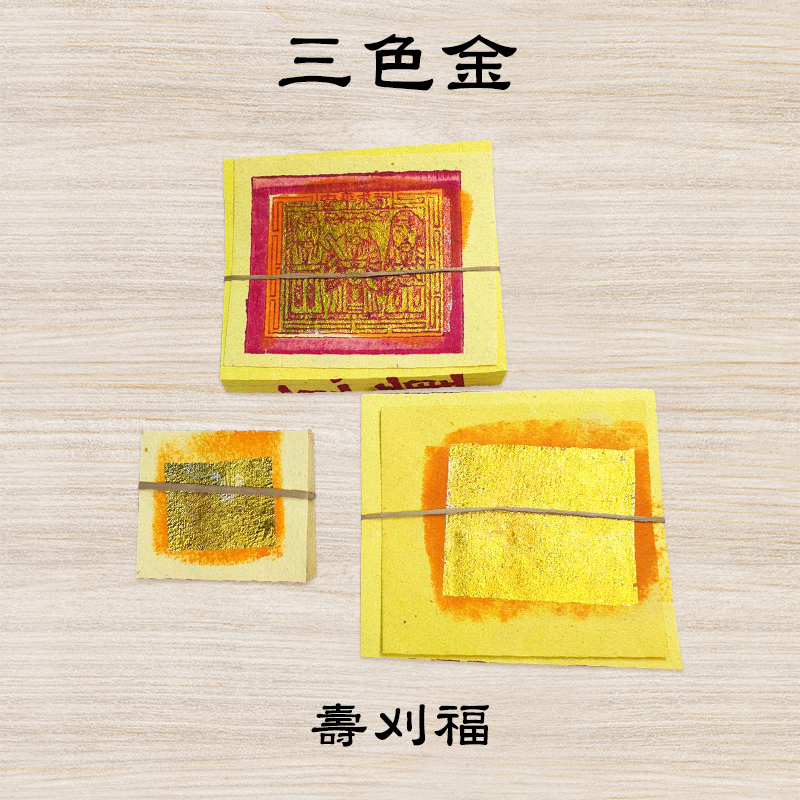
Three-Color Joss Paper: Includes Shou-jin (Longevity gold), Yi-jin (Universal gold), and Fu-jin (Fortune gold).
Banned
Behavior: DO NOT TAKE INCENSE if there is a funeral or a menstruation period.
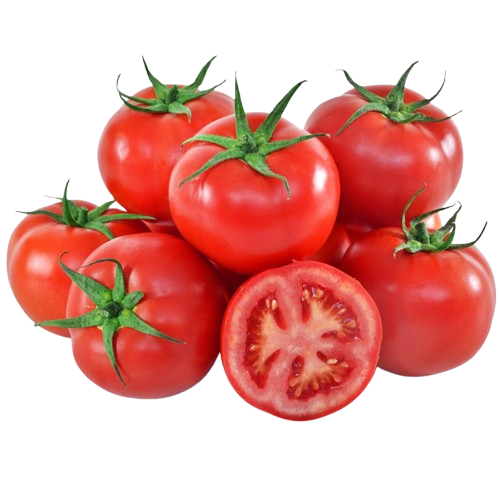
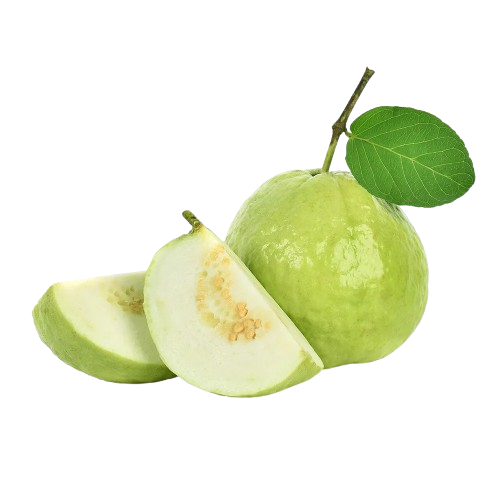
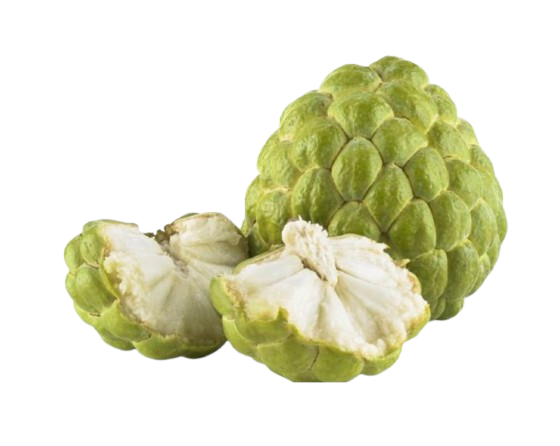
Banned offerings: Fruits that contain seeds will eventually come out of the human body, and that is disrespect to the gods, for example: Guava, Sugar apple, and tomato should be prevented.
Reason why:
Tomato: The shape of it creates an illusion of a heart and establishes inauspiciousness, making it unsuitable to pray to god.
Guava: Guava in Taiwanese is homophonic to “Scared of sth,” symbolizing something ominous; therefore, it is not suitable to be used as an offering.
Sugar apple: Sugar apple resembles a human head; it is also related to ominousness, therefore, it is also avoided as an offering.
Tales & Legends
Tale 1. Tudigong is one of the Shang/Zhou dynasty’s tax collectors, called Fu-de-chang. He usually helps the citizens with poor economic status and does a lot of helpful things. After he died, his physical appearance didn’t rot at all. There was a poor man who surrounded Fu-de-chang’s body with four stones and prayed with piety, then his life changed from a poor guy to a rich person. The legend spread, and Fu-de-chang became tudigong and was named “Fude Zheng Shen.”
Tale 2. In the Zhou dynasty, tudigong was called Fu-de-chang, a servant. His master went to work in other cities, leaving a daughter at home. Since the daughter missed her father, she went out to find him. Fu-de-chang went with her. In the middle of their search, a blizzard occurred, and the daughter was about to die from the freezing temperature. Fu-de-chang gave her his clothes, although she managed to survive the cold weather, Fu-de-chang froze to death. Before he died, he saw “Ju Tian Men Da Xian Fu De Zheng Shen” in the air, representing a loyal servant. The minister praised his loyalty and built a shrine for him. King Wu of the Zhou dynasty bestowed the name “Houtu,” the legend, and people called him “tudigong.”
Tale 3. There was an old man, an expert in agriculture, engaged enthusiastically in public welfare, honest and kindhearted. He taught people how to farm and explained the aspects of increasing productivity, making people benefit from agriculture. After he died, people wanted to commemorate him, so they brought offerings and named him “tudigong.”
Tale 4. In ancient times, there was a man called Tang-Shiao, he is an obese person; he still had a black beard when he died, his appearance resembled a sign of blessed virtue. Before he died, he was skilled at fishing and helped the poor, yet his property did not vanish as expected. The wealth from the earth must come from the sky, and never be empty.
Tale 5. In Dongshan, Yilan, there was a village called “Taihe,” which had Taiwan’s only worship of Japanese Tudigong; this Tudigong originates from a forester during the Japanese occupation of Taiwan. The name was Saburo Kobayashi. At the time, he supported the poor families, giving them access to gather wood for self-sufficiency. He turned a blind eye to their actions. What’s) more, he would tell the people when the upper supervisor came. When he died, the natives were thankful for his kind action; therefore, they praised him as the tudigong of their land. Although the temple seems small, it gathers all the beliefs of the natives. In fact, it helped the natives survive a disaster of a flood without any fatal results.