
Temple
Purpose
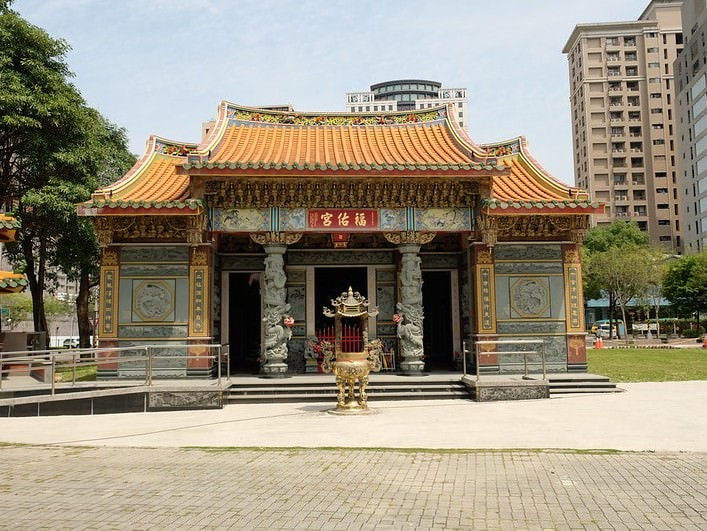
Tu Di Gong is the guardian deity of the land, responsible for protecting the territory, blessing residents, and ensuring bountiful harvests. For this reason, he is regarded as a spiritual symbol. People believe he can attract wealth and fortune, thereby ensuring profitability and allowing business operations to run smoothly. Beyond economic aspects, Tu Di Gong temples can also improve Feng Shui; acting as a barrier, they ward off ‘Sha Qi’ (negative energy), stabilize the environment, and enhance the site’s positive energy field. Furthermore, building a temple represents a profound way to express gratitude and respect, much like maintaining a harmonious relationship with a landlord to show appreciation for the use of land resources. In these specific contexts, temples dedicated to the God of Wealth and the Earth God are highly effective at gathering positive energy, thereby elevating the overall wealth and success of the enterprise.
Material
The construction materials used for Tu Di Gong temples have evolved over time and vary according to the scale of the temple. Early traditional small-scale temples were typically built using stone—most commonly granite and Guanyin stone—stacked block by block. This masonry method was extremely solid, making the structures highly durable against wind and rain. Since the 1980s, however, most temple expansions have been built using reinforced concrete. Yet, regardless of whether they are old or new, these small, single-room temples (known as the ‘single-hall style’) place great emphasis on aesthetics. The most common decorations include wood carvings, stone carvings, and colorful paintings on the walls or beams.
Construct Temple
The process of creating an Earth God temple is a meticulous procedure that balances legal compliance with ancient spiritual traditions. The first stage is legalization and preparation, where the choice of site is determined by both physical surveys and the ancient tradition of Feng Shui to select a clean and auspicious site. After the determination of the site and the acquisition of the necessary legal permits from the local authorities, the next stage is the construction stage, which is determined by the lunar calendar and carefully planned to avoid dates such as Ghost Month. The stage starts with the official ceremony to invite the deity, followed by the physical creation of the pillars and walls made of stones and possibly Koji pottery and cut-and-paste roof decorations. The final stage is the consecration and registration stage, which is marked by a sacred ceremony to invite the Earth God into the new temple and the final stage of temple registration to ensure its legality within the community.
Evolution
The evolution of Tu Di Gong temples in Taiwan embodies the transition from “nature worship” to “personified deity worship.” As the agricultural society transformed into an industrial and commercial one, Tu Di Gong shifted from being purely a guardian of the fields to a God of Wealth. The scale of the temples also evolved from early stone slab shrines and small temples under large trees into grand modern temples, reflecting local development and the accumulation of wealth.
The earliest form of these temples was the “Three-Stone Shrine.” Because the early settlers who came to Taiwan to cultivate the land lacked resources, they simply used three stones or stone slabs to build small shrines. At the same time, to seek shade for Tu Di Gong, these small temples were often placed under large trees. Most of these temples were distributed throughout rural fields to guard the farmland and the safety of the settlers, reflecting the ancestors’ reverence for nature and vitality.
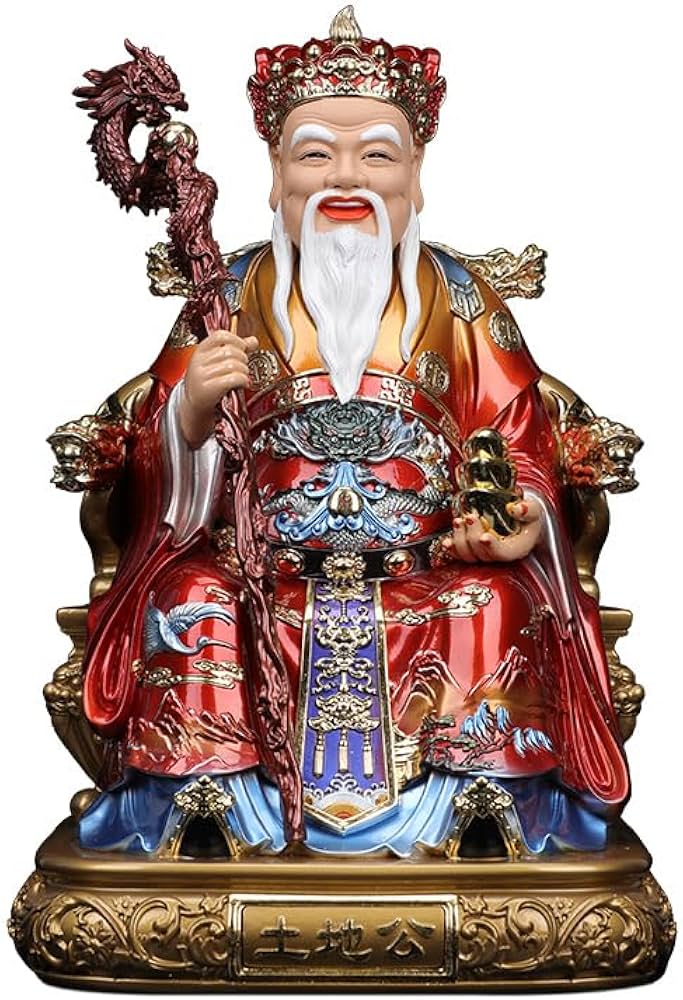
As rural settlements formed, Tu Di Gong became the center of a “Zhuang” (village). Residents pooled their funds to build temples and pray for local peace. Gradually, the divine status of Tu Di Gong was personified; his appearance mostly took the form of a benevolent elderly man holding a staff, symbolizing his patrolling of the land and guarding of the crops.
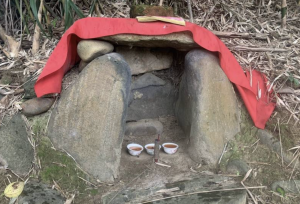
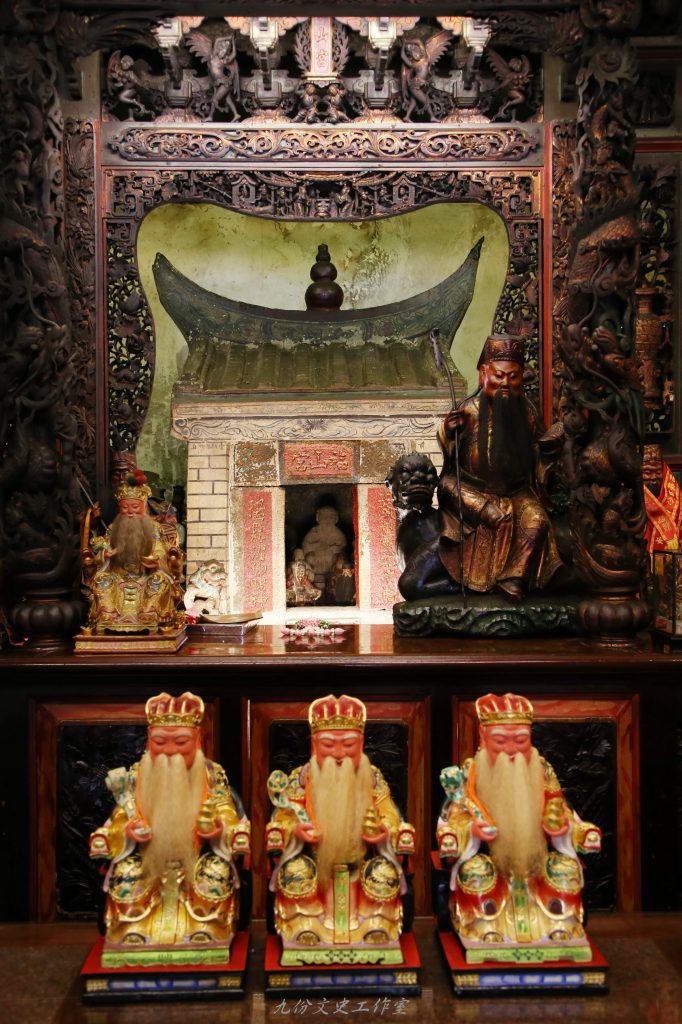
With the rapid development of modern industrial and commercial society, Tu Di Gong temples shifted toward the concept of “where there is land, there is wealth.” Tu Di Gong’s responsibilities transitioned from an agricultural god to a God of Wealth who blesses prosperous business. Because of this, modern Tu Di Gong statues have added props such as gold ingots and gold Ruyi scepters. As economic conditions improved, many old temples were rebuilt, even giving rise to the unique “Temple-within-a-Temple” feature (where the original stone slab shrine is preserved).
Deity statue
Tudi Gong symbolizes safety, abundant harvest, and prosperity. At the time, Tudi Gong is close to the plebian people; therefore, at ancient times, he was also represented as a god close to mortal life and a guardian of solving problems for citizens. In early forms of agricultural societies, people thought that Tudi Gong’s blessing is trustworthy; his blessing is symbolized as the stabilization of the farmer’s income. In the name of Tudi Gong “Fu-de-zheng-shen,” fu represents felicity, and de means morality.
There are 5 main types of Tu Di Gong:
Metal Tu Di Gong (God of Wealth): Typically holds a gold ingot in his left hand and a jade Ruyi scepter in his right, symbolizing wealth.
Wood Tu Di Gong (Hou Tu): Holds a gold ingot in his left hand and a staff in his right; wears a yellow burial shroud (shouyi) and is specifically in charge of ancestral graves.
Water Tu Di Gong (Cemetery): Holds a gold ingot in his left hand and a staff in his right; depicted in a standing posture, and is specifically in charge of public cemeteries.
Fire Tu Di Gong (Affairs): Holds a gold ingot in his left hand and a dragon-head staff in his right; depicted in a sitting posture and usually resides within temples to help devotees resolve various difficulties and miscellaneous affairs.
Earth Tu Di Gong (Fields/Gardens): Sits with both hands resting on an official’s “Grandmaster Chair” (Taishi Chair), wearing a long-life robe and a wealthy landlord’s hat; specifically in charge of land and agricultural affairs.
Bronze Deity Statue
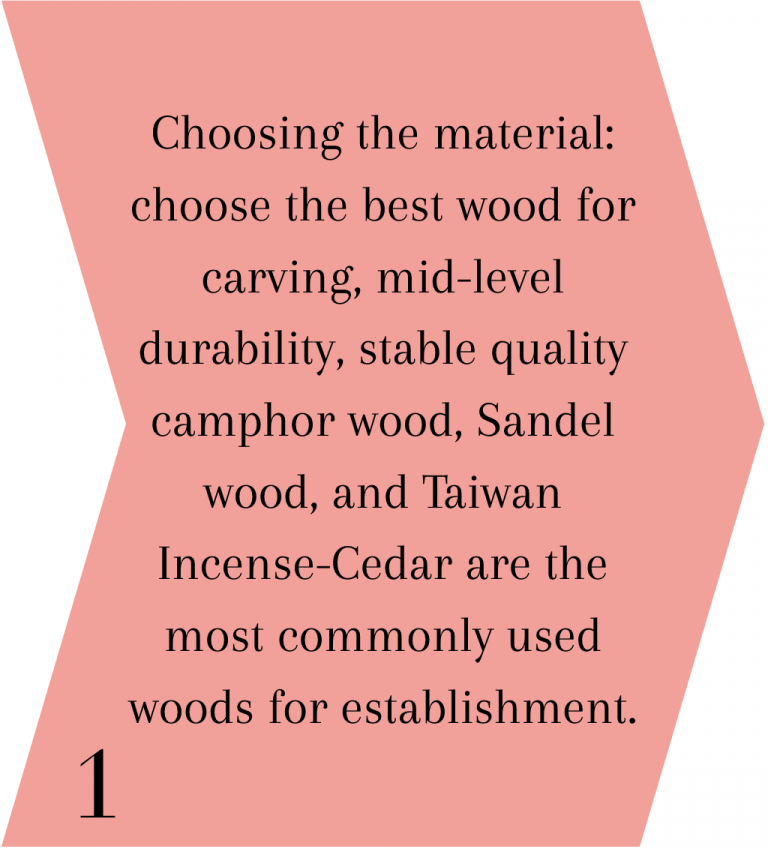
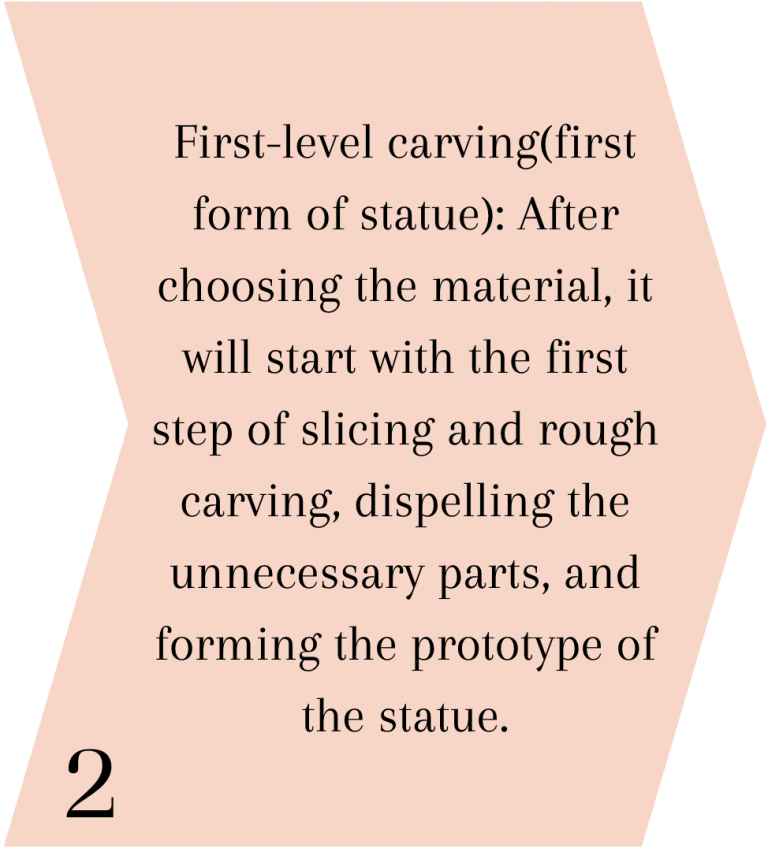
The construction process of a Tu Di Gong Temple involves planning, material selection, construction, and the ‘An-Zuo’ (deity statue seating) ceremony. Small-scale Tu Di Gong temples require professional craftsmanship, with costs typically ranging from several hundred thousand to over a million NTD. The designs often feature traditional swallowtail roof ridges or more simplified structures.
Ceramic Deity Statue
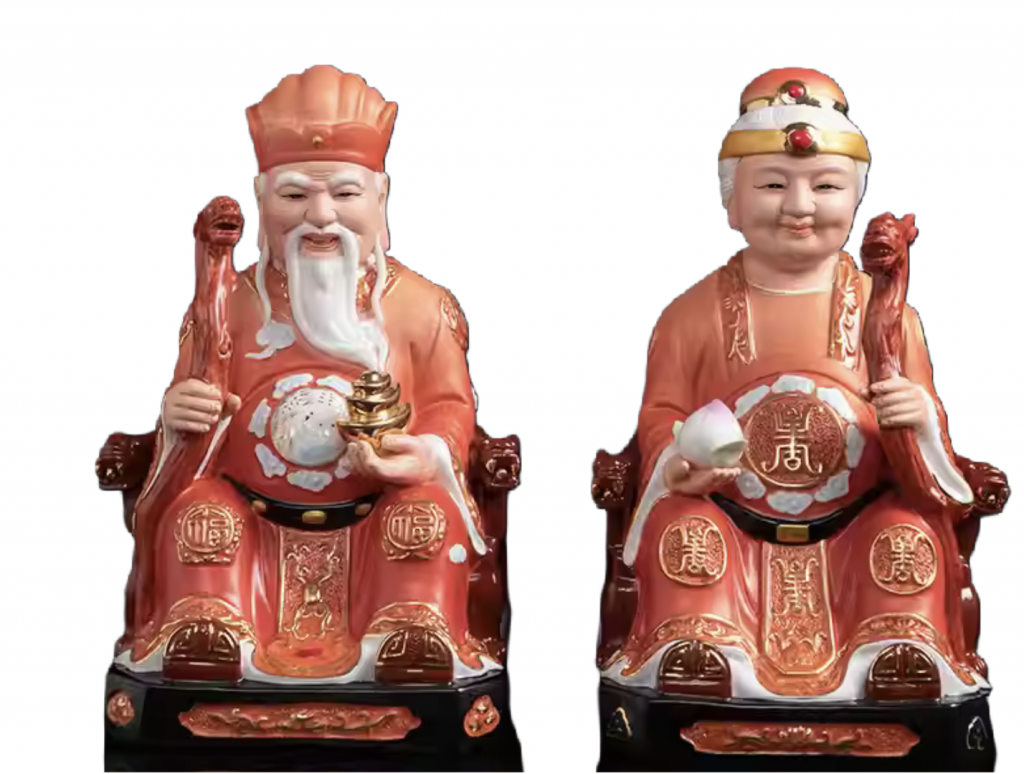
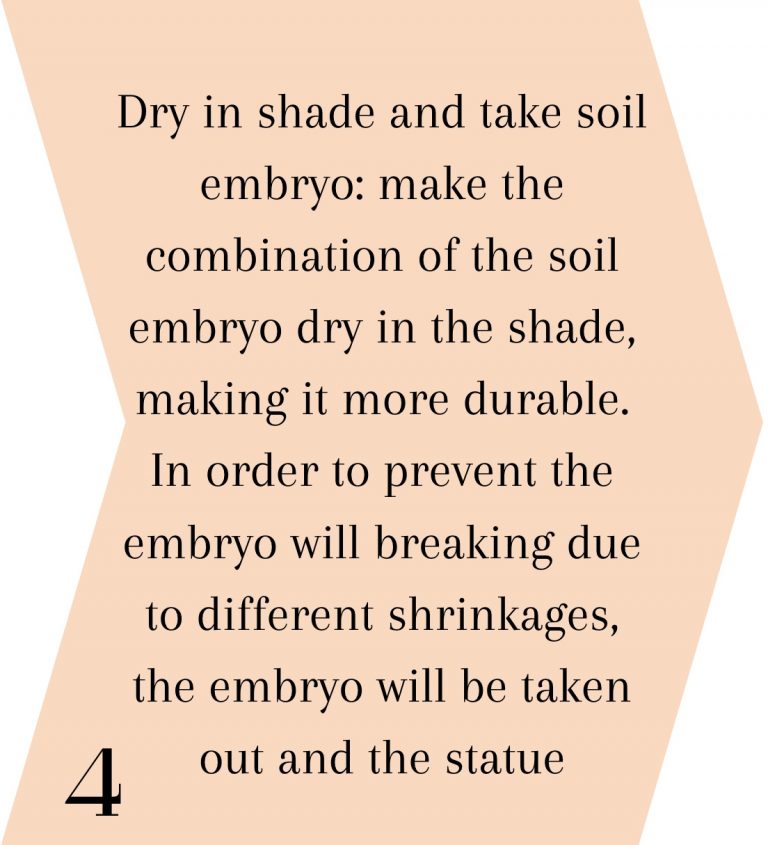
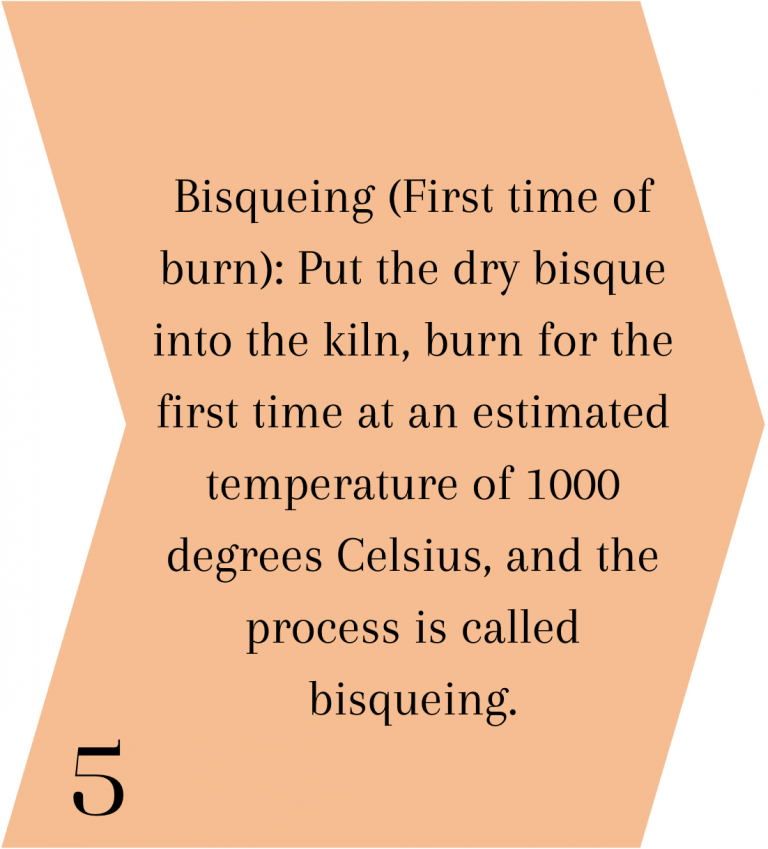
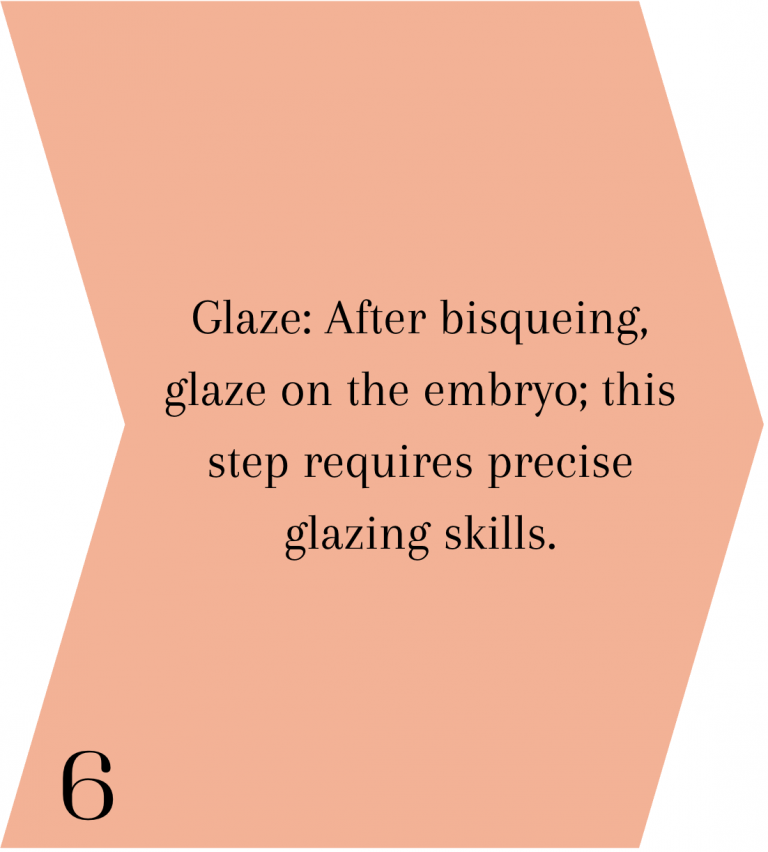
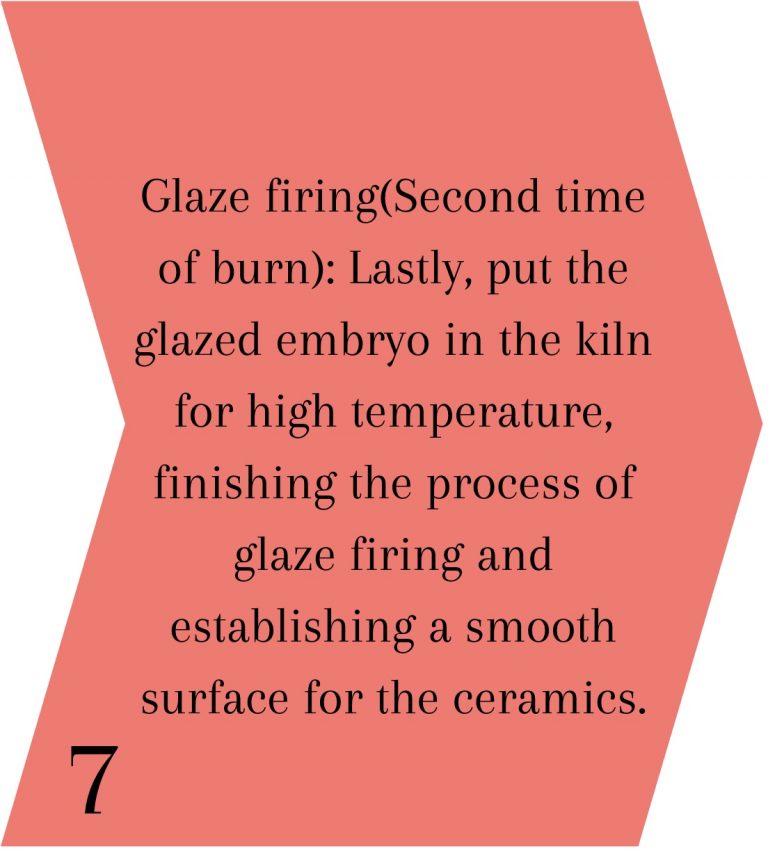
Ceramic Tu Di Gong deity statues often utilize Dehua white porcelain and hand-painted gilding techniques. The material is corrosion-resistant and easy to clean. Common designs feature the deity holding a gold Yuanbao, a Ruyi scepter, or a staff. These are suitable for worship in home living rooms or offices. Most of these icons are Dehua ceramic Buddhist, serving both decorative and religious functions. Due to the porcelain material, the details of the statue are clear, and the colors don’t easily fade.