
Interview
Manager - Chen Rou Lan
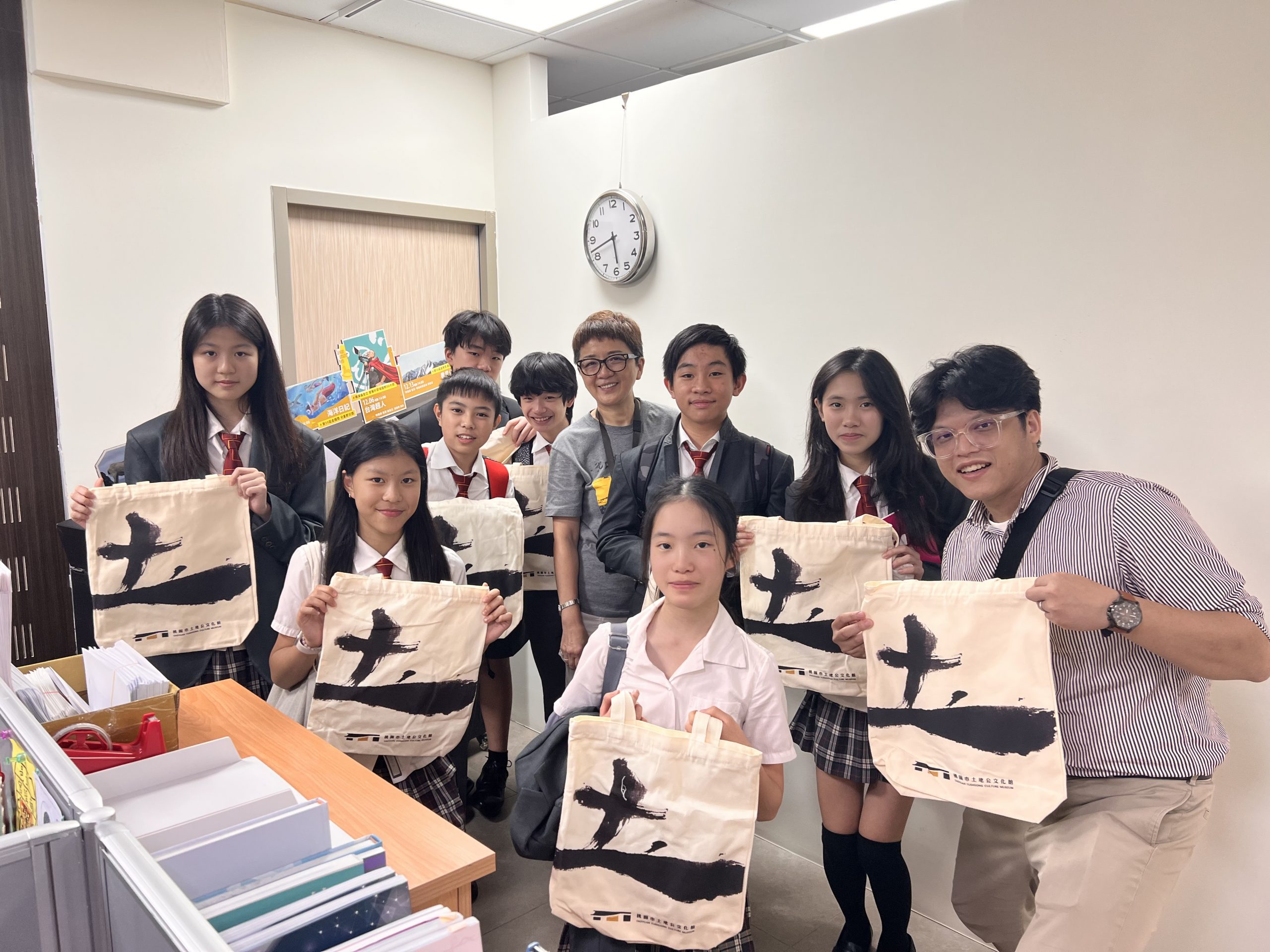
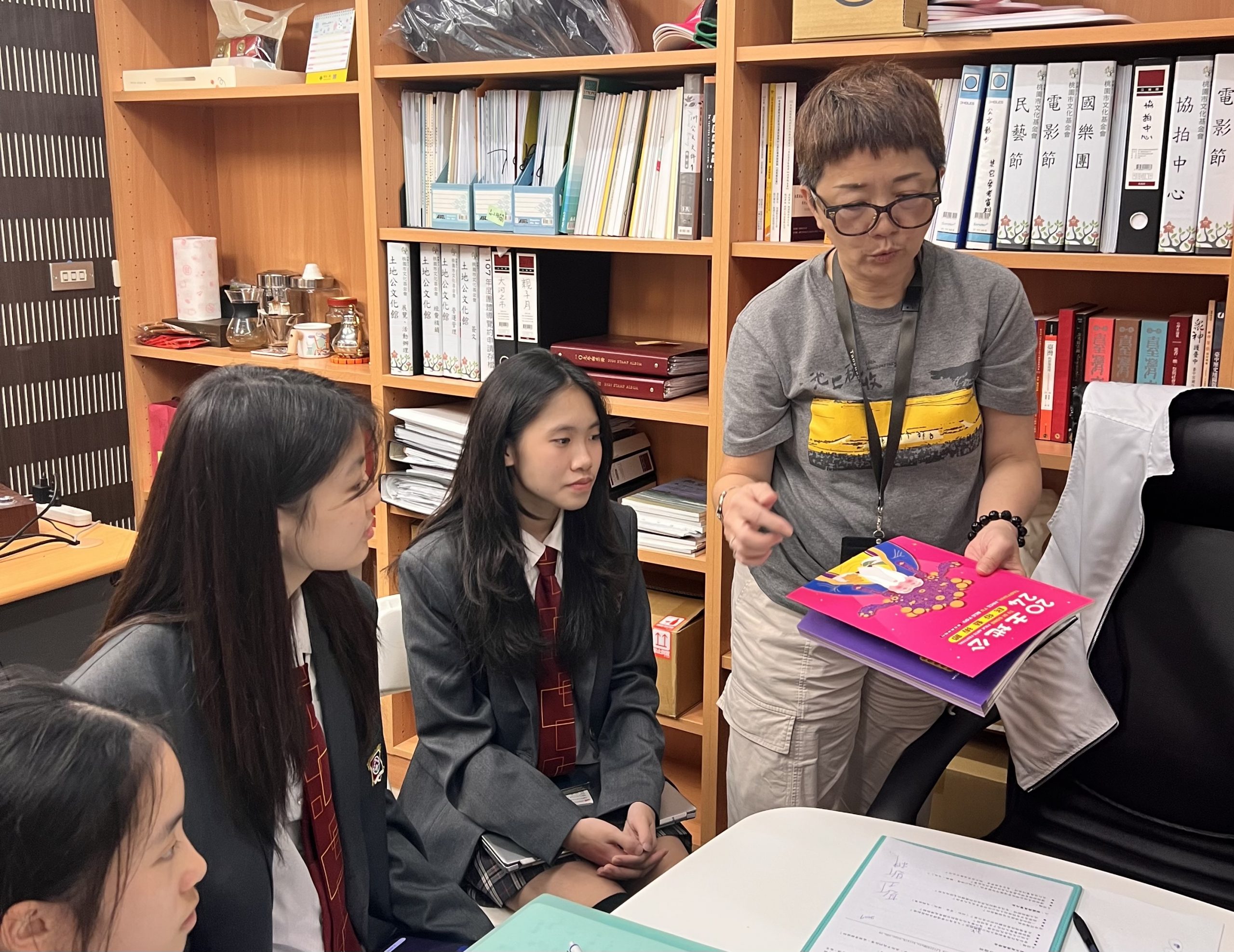
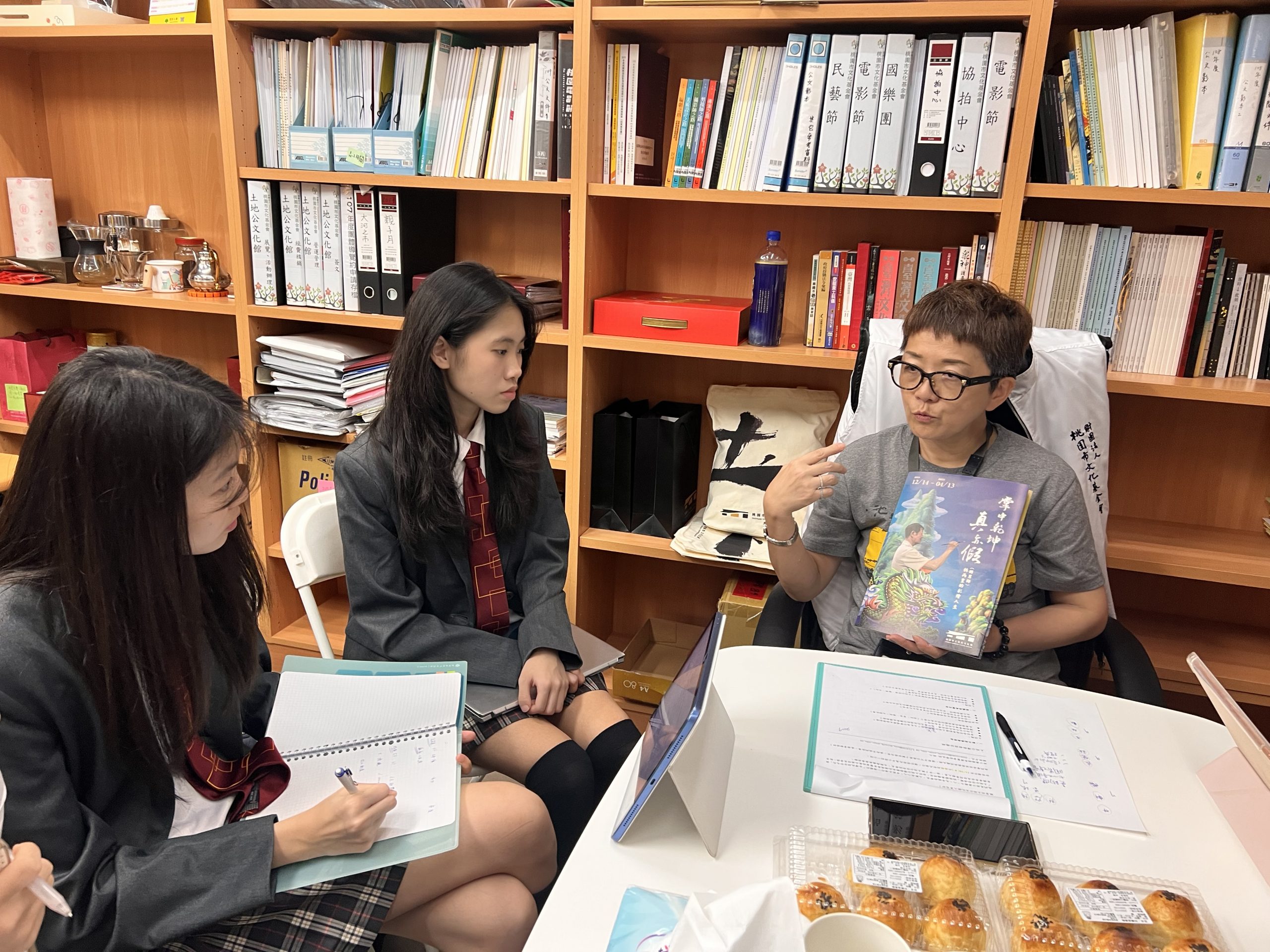
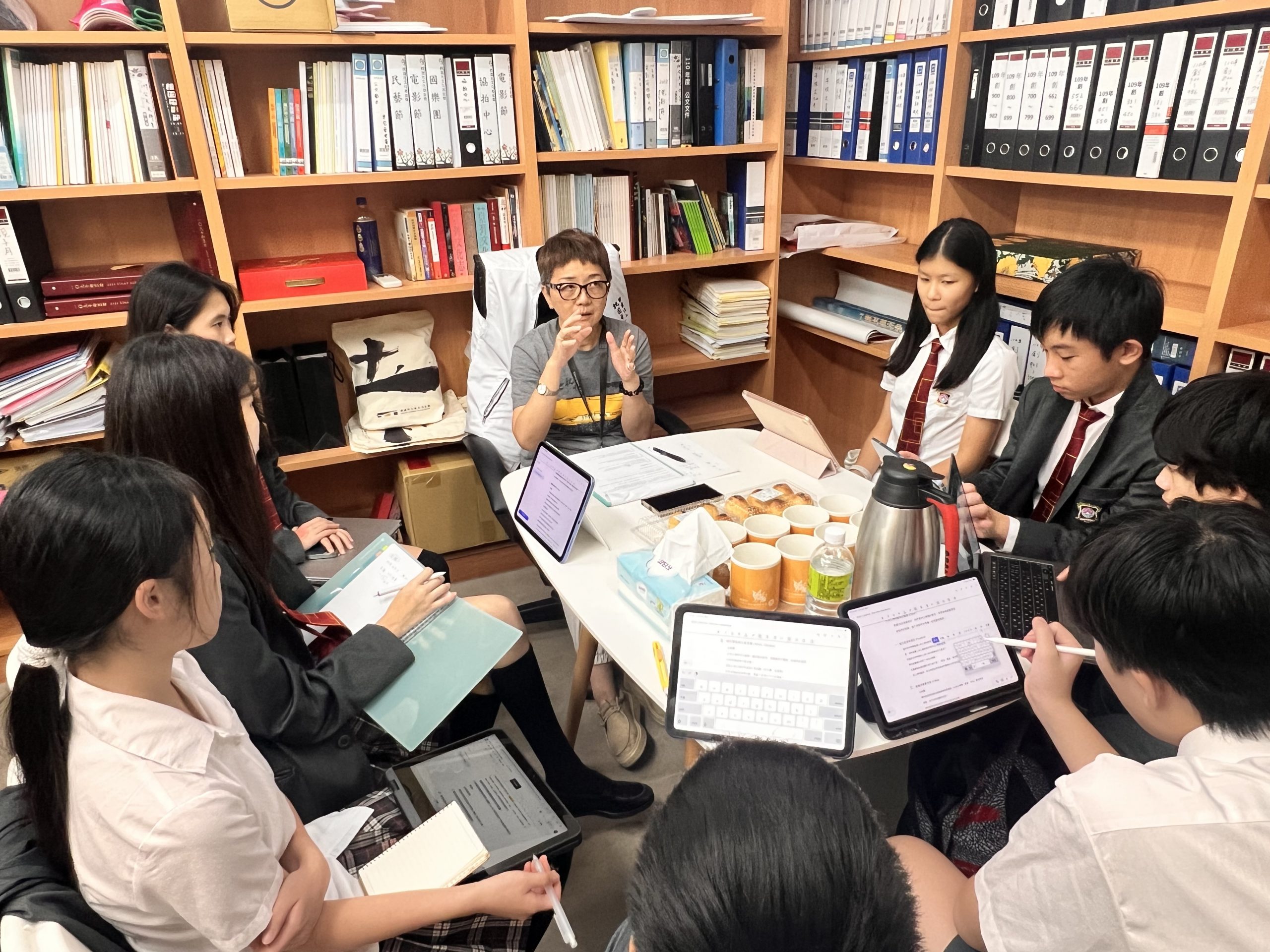
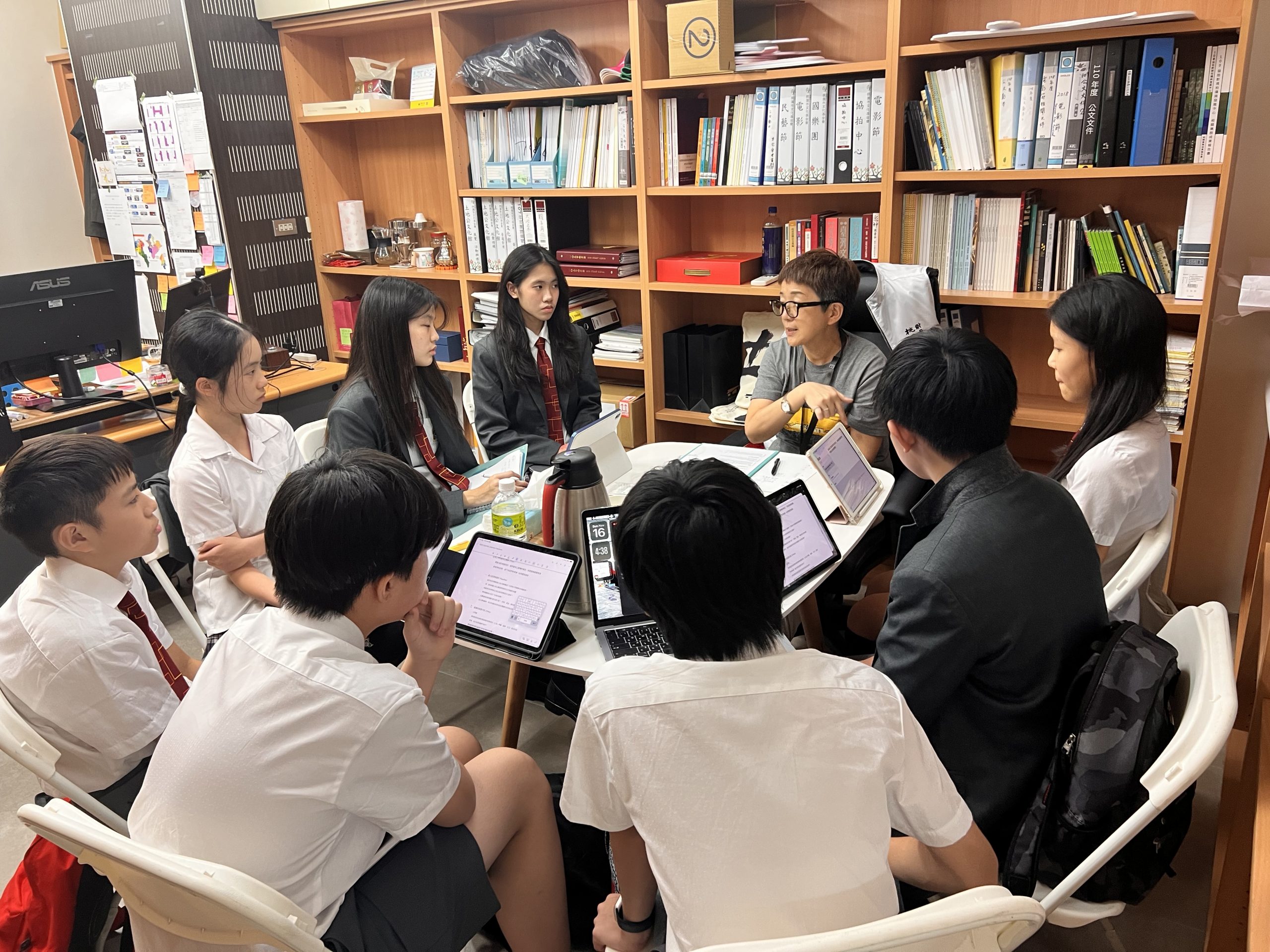
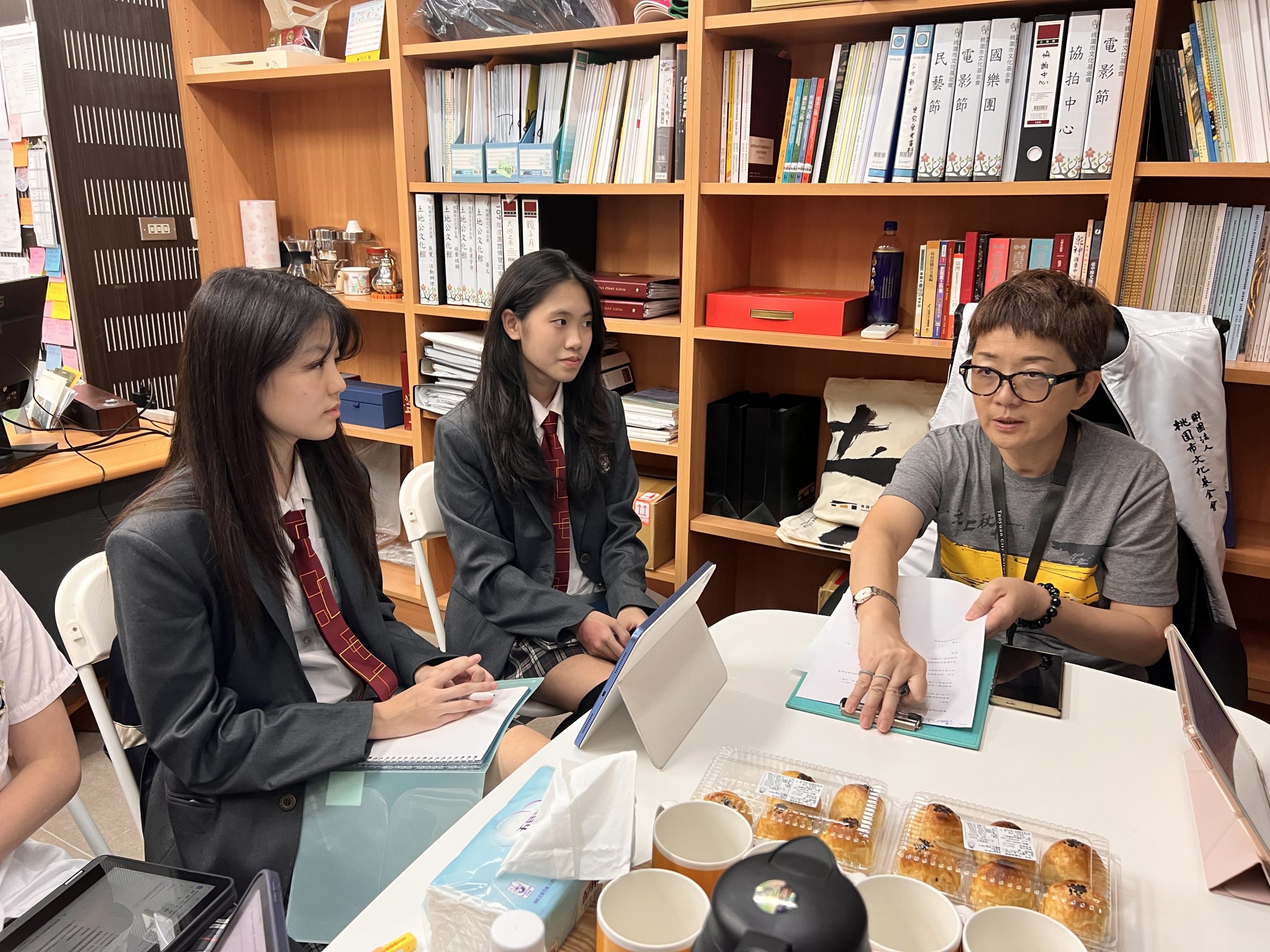
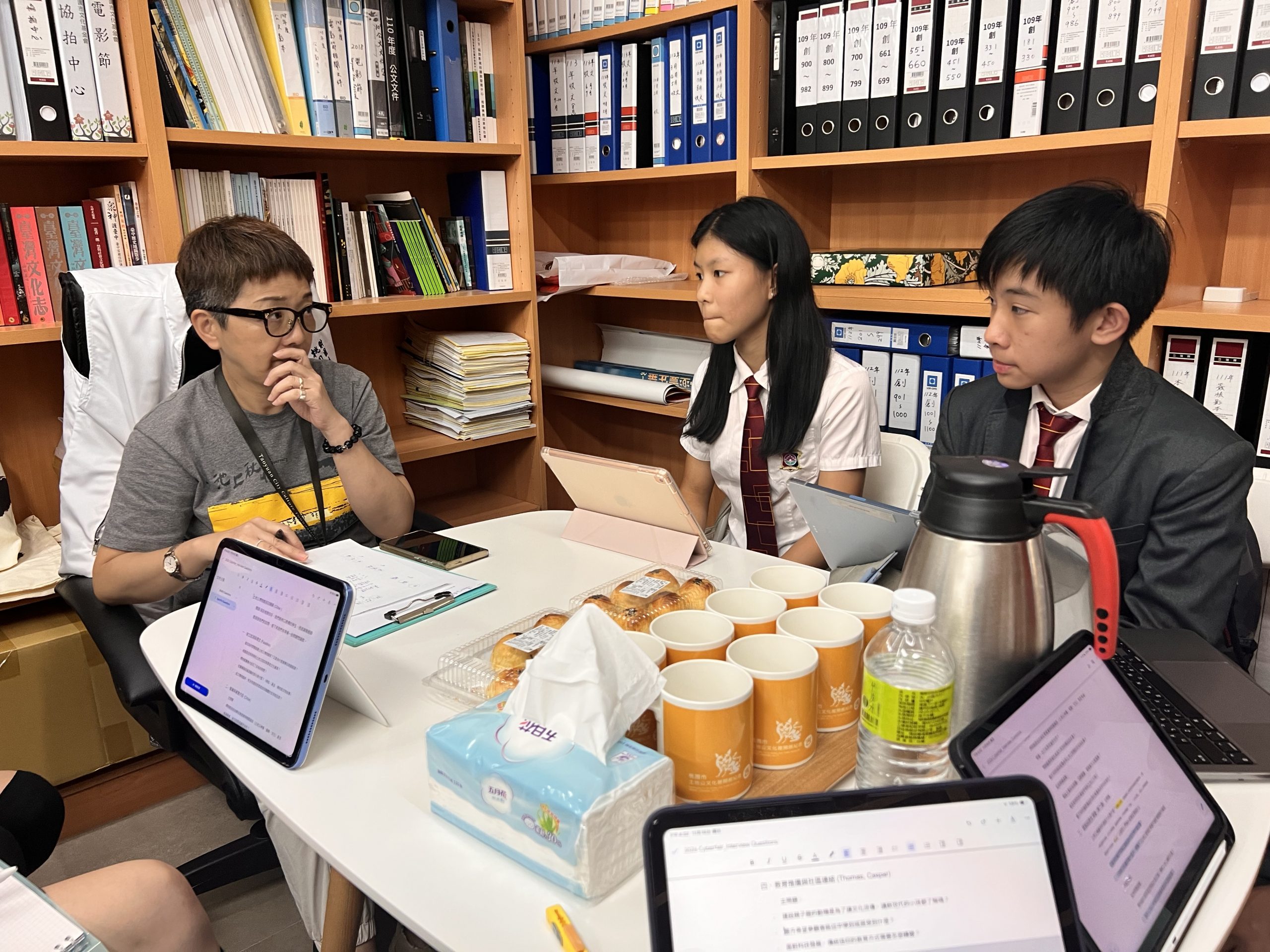
To gain about a deeper understanding about Tudigong and Taoyuan Tudigong Cultural Museum, we reached out to the cultural museum staff, hoping for a more detailed and in-depth explanation. We are deeply grateful to the museum for granting us an interview. Thanks to the detailed explanation from the manager Chen Rou Lan, our team gained a much deeper understanding of the Tudigong faith. We truly felt the museum’s commitment to preserving local culture. The visit made us realize the importance of these traditions and how they continue to protect and support the people of Taoyuan.
Creation Origin and Concept
Q: What is the reason for establishing the Tudigong cultural center? Why was it chosen to be established in Taoyuan?
A: At the time, the density of Tudigong’s temple was 7 per square kilometer. and it’s considered the most dense place of Tudigong temple establishments, so we set the center at Taoyuan, representing Taoyuan as its unique feature.
Q: Does Taoyuan have a special background towards Tudigong belief or cultural resources?
A: The background of Tudigong is the respectfulness towards nature. The admiration of nature.
Q: How much time did it take to prepare the establishment of the Tudigong cultural center?
A: 2 to 3 years
Library and Exhibition Content
Q: What method did the cultural center use to gain information about Tudigong(Statue, clothing, culture) ? Is there collaboration with scholars, natives or temples?
A: Finding manufacturers, saving space for other people for exhibition, or borrowing unique exhibits. Using different levels to explain, the third floor is the permanent exhibition, one room for multiple Tudigong statues, one for describing international Tudigong, and the last one for explaining the related Tu Di Gong events. The permanent exhibition will stay here for a long period of time, 2 to 5 years possibly. The majority of exhibits on the third floor are taken from manufacturers at the opening of the grand opening of the cultural center. Therefore, there are people that were responsible for the permanent exhibition, the fifth and sixth floor are our special exhibits, the exhibits aren’t all revolved around the subject of Tudigong, Tudigong is a traditional belief, therefore, anything in relation to Tudigong can be introduced. Last year we did a topic called “Goodness help!” demonstrating and describing all the godnesses, the godness of child birth, Guanyin, etc. all relate to folk custom beliefs. Exhibits like the ones shown this year, the fifth floor is the pilgrimage of Taoyuan, we explained relevant things to the pilgrimage, this criterion of exhibition will be hosted 3 per year, these exhibitions are established when we have concept, finding someone for the collaboration with the manufacturers. In the three, we will pick one to keep, for our mates to exhibit, our mates have designing background, there is also chinese experts copywriting since we think our mates needs training to improve. If we just let manufacturer do all the work, our mates will not learn how to make the exhibits better, so we will keep one for mate training, it is also considered more creative.
Q: The most representative exhibits or backstories?
A: Tudi Po from Beitou; At the third floor, there are two statues, one of Tudigong and one for Tudi Po, large in size and made of ceramics. These are considered rare exhibits, due to its size, the process of the establishment is harder to burn well. It was also an opportunity, Su-Chia-Ming. He heard from people that a merchant from China wanted to donate the two statues to Zi Nan Temple in Tainan.
Q: How did the cultural center save or inherit stories or legends related to Tudigong?
A: Inherited by their descendants, all of these require money, and the government won’t give a large portion to the center, yet we still have some enough to host events, not all events are directly related to Tudigong, since we respect diversity of cultures. We usually host some events for people to learn about the environment, potentially making people understand more of the culture of Tudigong. We also do online advertising.
Change of Architecture and History
Q: What was the temple made of in early times?
A: “Stone pile” style temple, also called three-stoned shrine(One of the original structures)
Q: The reason for building temples like this?
A: It depends on the hobby of the believers.
Q: What is the change between temples in early times and modern times?
A: Not much change, depends on the builder.
Q: Is there any difference between temples?
A: The roofs of Hakka temples are more flat, Hokkien people have more pompous temples, besides, there are differences between the items held in hand on the Tudigong statue.
Q: Does the temple design combine with elements of traditional Tudigong culture?
A: At the first floor of our cultural center, the wooden statues, clay, and the mesa are all based on ancient methods, sort of combining traditional Tudigong culture.
Cultural Value and Social Meaning
Q: Are there any problems with the culture? (Such as no inheritance or being unpopular)
A: Those attending our events, the majority are old people, and there is a bit of cultural discontinuity, but it’s not like it would fade or disappear, since Tudigong believers contain a large portion of people. They hosted events and surveyed 150 or more temples; these temples still exist and symbolize people’s/societal need, so it seemingly is not fading.
Q: People who specialized in making Tu Di Gong statues might mostly be of an older generation. Is there a possibility that this craft will die out?
A: It’s true. Back then, we didn’t have computers or smartphones, so people went to temple shows (glove puppetry) for fun. Because so many people went to see the show, there was a lot of work for the artists. But now, we have a lot of choices for entertainment. We can watch puppet shows on our device, so painters are slowly losing their jobs. It’s the same for statue carvers, robots are taking over the work, and handmade things are becoming rare.
Q: In your heart, what does “Tu Di Gong” symbolize to you?
A: Universal love, a symbol of kinship and universal love. Always ready to help. Kind and approachable.
Business Operations and Future Development
Q: Does the museum have any exhibitions planned for the future, or are they considering launching a traveling exhibition?
A: We launch new exhibitions every year, like on the fifth floor, we present different exhibitions each year. Of course, some of my colleagues also have ambitions. If we have a good exhibition, we certainly hope to promote it abroad, but it requires the right timing , location, and people. We certainly have this ambition, but we just haven’t started yet.
Q: If you had to summarize the mission of the Tu Di Gong cultural museum in one sentence, what would you say?
A: Our cultural museum actually has four missions: to explore the culture of Tu Di Gong belief, to develop folk culture education, to support local artists, and to promote local cultural development and international integration.
The spread of education and connection between society
Q: Is the motivation of establishing the parent-child center for cultural spread and to make new generations understand the culture?
A: It is indeed a part. But the difference between normal temples and Tudigong temples is that we wish it could contribute to the society, and a child-friendly place is an aspect valuable for service. Since taking care of children is considered time taking and requires effort, and if it’s a dual-income family, parents need to work, yet they would need to spend their time with their children for a walk. We think that we hope there is a place that could help the parents solve their problem. We hope, for example, on the weekends, we host an event called Tiger god volunteer story telling, then parents could bring their children. If possible, the children could just simply listen to the storytelling, and parents could take a rest. We also hope that the child already has an understanding towards Tudigong culture, this is one portion, relevant to inheritance, yet the majority is that we wish to serve young parents and share the pressure with them.
Q: What does the cultural center wish the audience could learn or feel?
A: To relax the feelings of the audience. We hope that they can heal from life. Most people put a lot of effort into their job; in normal situations, they are hardworking. If it were the weekend, I really suggest coming to the Tudigong Cultural Center and taking a look. It doesn’t require an entrance ticket, and they would enjoy their afternoon watching the exhibits and learning about the past traditional culture. If audiences came here and felt healing in their mental state, then I think we would have achieved our goal.
Q: Facing technological development, what is needed for the traditional culture’s education style to change?
A: Adding modern elements, making it interesting for the visitors, but it cannot contain too many technological advancements, because it would increase the cost. Take an example, if we are going to take AR and VR, which are related to the costs, I need to say that our budget is limited and we cannot afford the costs of bringing AR and VR into our cultural museum, but we manage to blend in some modern elements, making it interesting for the audience. For example, on the second floor, there is an exhibit where you can download an app and take a peek at the screen on your app, and you’ll see the virtual offerings on the table. You’ll know that, oh, worshipping requires these kinds of offerings, and we hope that through these interesting things that contain some elements of technology, we can make the younger generations more interested in the culture of Tudigong.