
Reflection
Our Team
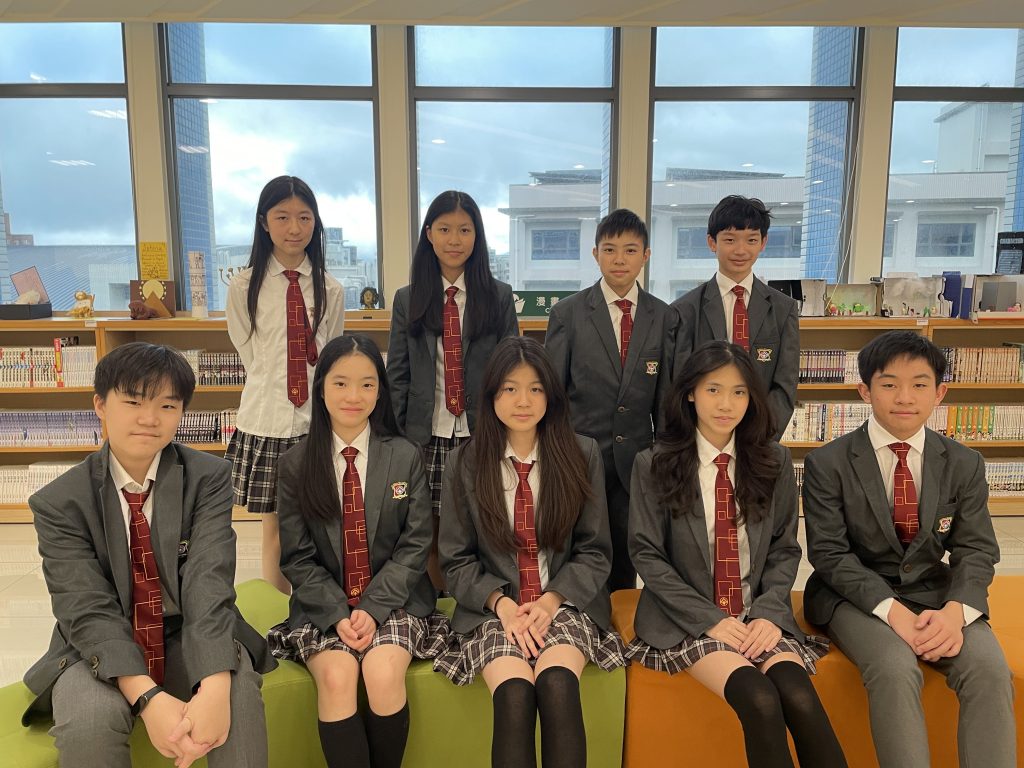

Chloe Hua
This is my second year participating in CyberFair. I saw the most growth this year in editing the website and design. This year, I played a more active role in the editorial process, learning layout architecture as well as how to organize extensive website information into clear and concise paragraphs, allowing readers to understand the Tu Di Gong beliefs. Additionally, with many new members joining us, I developed important leadership and management skills by coordinating tasks. Through this research, I have come to deeply appreciate the value of Tudigong culture. As the most widespread folk belief in Taiwan, Tudigong is honored as the guardian of wealth, career, and community peace. This belief has encouraged economic growth and shaped the agricultural society, leading to different types of temples, from simple shrines to grand palaces. By visiting temples near the Jingfu Temple, I discovered the detailed craftsmanship of the temple decorations and deity statues. I hope that through this project, the younger generation in Taiwan can rediscover the importance of the Tudigong belief. I also hope that global audiences can gain insight into this unique and valuable folk tradition, ensuring its continuity for generations to come.
Ashley Chen
This is my third year participating in Cyberfair, and I’m really glad that I have this opportunity to explore the topic of Tudigong. To me, Tudigong is more than just a religious symbol, from childhood, he has been a indispensable and comforting presence in my life. This project has allowed me to turn that connection into real research and helps me gain a deeper understanding about Tudigong’s history, cultural meaning, and all the details. Throughout the year, I’ve learned so much. It’s not just all the technical skills like web development and research, but also gained valuable experience in teamwork, problem solving, and communication skills. Dealing with the challenges of this project helped me grow in ways I didn’t expect. I’m really thankful for my teammates and teachers, without them, this project would’ve been the same. We helped and supported each other, they were always there when I was struggling and needed help. Seeing all my teammates working so hard truly moved me, I’ll always treasure the time we spent growing up together.


Faustine Lee
As times change, the community’s belief in Tu Di Gong has become less familiar. Through our research, we explore the culture of Tu Di Gong to gather more information about this unique Taiwanese tradition. I realized that many histories of Tu Di Gong are not known by most people. Therefore, we collected information about Tu Di Gong and organized it to share our findings with society. To understand and compile information about Tu Di Gong, we searched online resources, visited the culture museum and numerous Tu Di Gong temples, and conducted interviews. Overall, I learned more about the culture of Tu Di Gong, and I believe it would be beneficial for more people to understand and preserve this culture, ensuring it is passed down.
Charles Yuan
As a student who has already been in Cyberfair for a year or more, I consider myself to be experienced and know more about the direction of research. Since I have decent English skills, I serve as the project’s translator. Through the information of the research, I am highly confident that our team will have a good score based on how we view it. Through the visits to several places, such as temples and several museums, we were able to thoroughly understand the origins and other aspects of our culture, Tudigong. We learned that Tudigong isn’t just a simple culture that originates from early Taiwanese people or just daily rituals and other stuff. It also represents emotional support and a spiritual guardian that protects and blesses us at the same time. Overall, I am personally excited about the result that we gave a lot of effort in, I believe that we made satisfactory progress and have dived deep into the field of Taiwanese culture, not only do we gain more understanding towards Taiwan’s earliest culture, we also changed our views towards Tudigong, which we now respect the culture and treat it as a divinity who we can reply ourselves on.
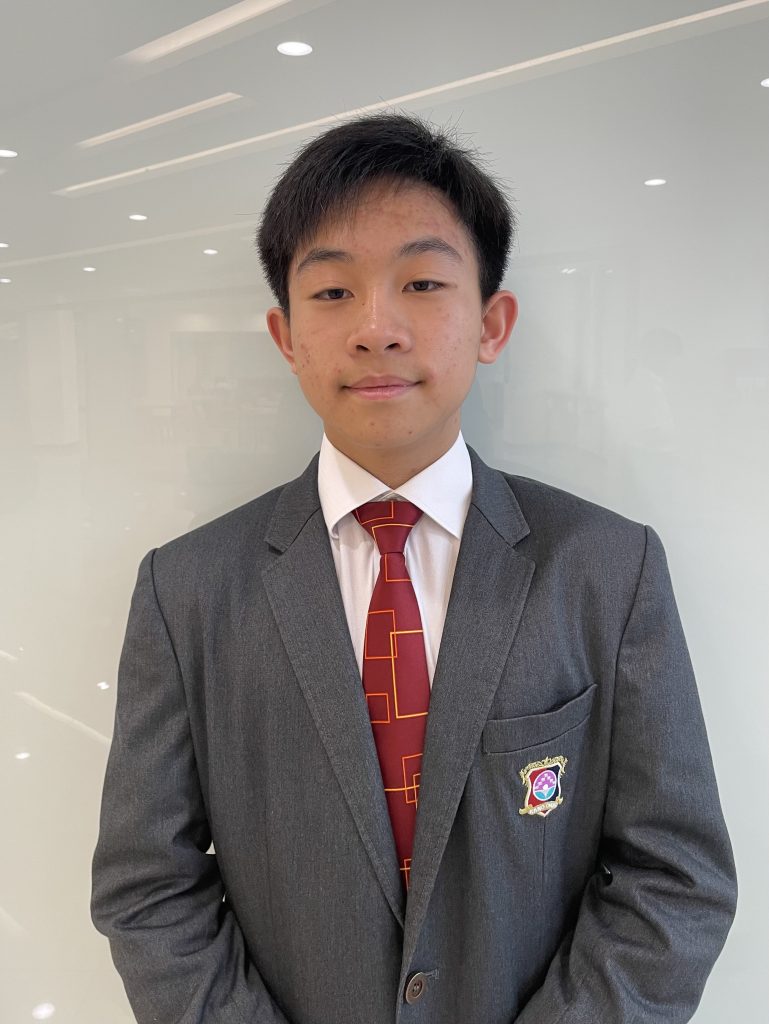
Sophie Chen
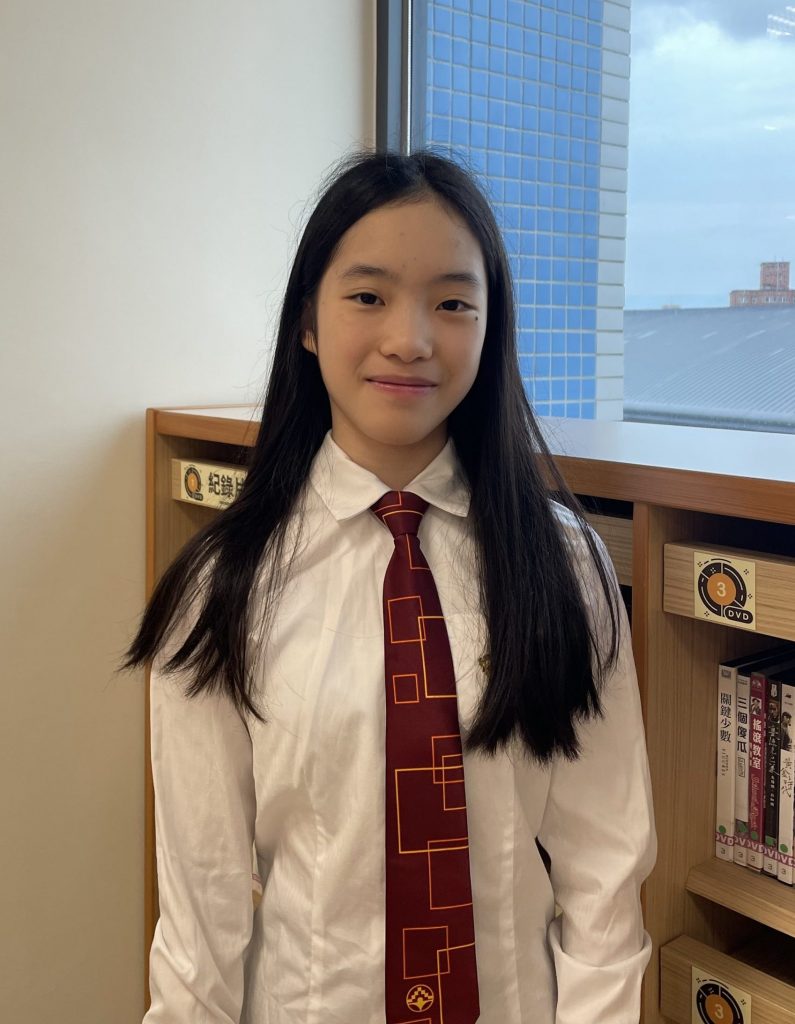
As a long-standing belief in Taiwan, the Tudi Gong has a significant impact on our lives. However, with the time change, many young people, including myself, are becoming less familiar with this belief. Therefore, I wanted to take this chance to explore the Tudi Gong belief more deeply and introduce it to more people.
For this research, we visited museums and various Tudi Gong temples of different sizes and styles, interviewed professionals to collect more information, and created questionnaires to collect people’s understanding of the Tudi Gong belief. During this research, I learned not only about Tudi Gong culture and website building methods, but more importantly, I learned how to collaborate with others to accomplish something challenging, how to interview a stranger, and how to gain a deeper understanding of my community. We had also faced many difficulties in data collection, such as the lack of information on particularly small or ancient Tudi Gong temples, it needed on-site visits and observations, and the time spent searching for information was considerable.
Through this research, I learned many skills and knowledge not taught in textbooks. Events and buildings in social studies textbooks were no longer just cold pictures; I began to think about what actions I could take to make my community a better place.
Thomas Lin
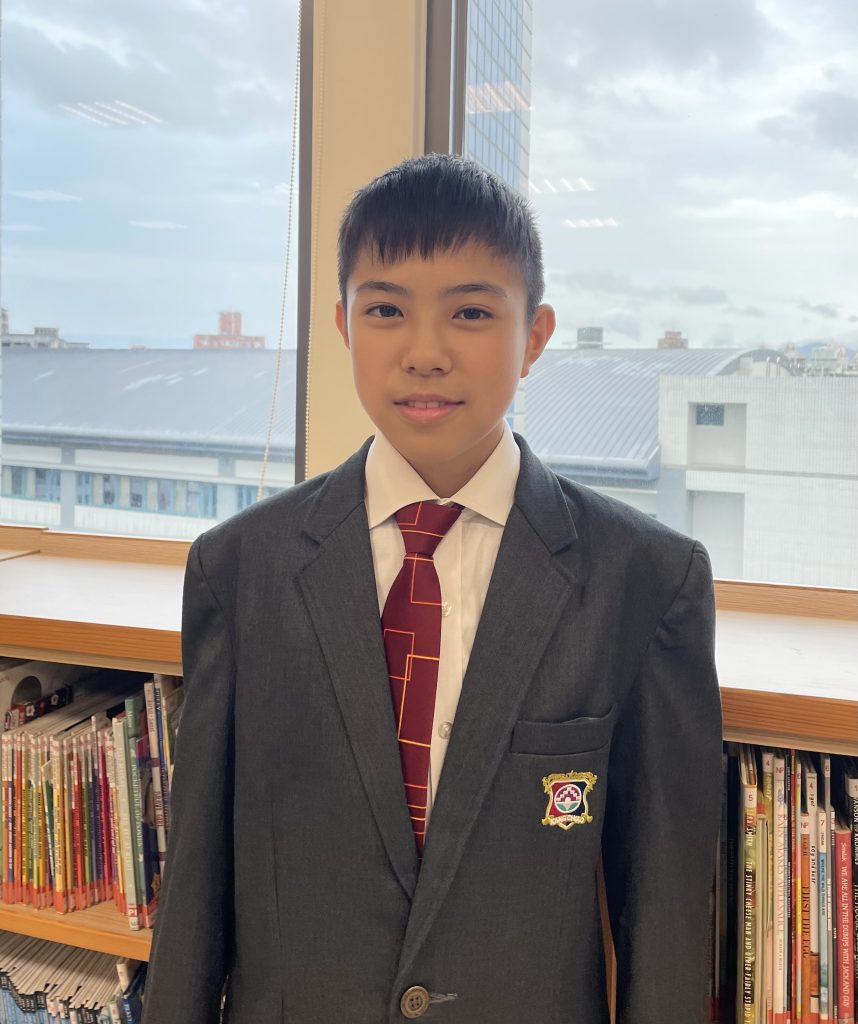
This is my first time participating in the Cyber Fair, and I’m excited and nervous at the same time. I have decent knowledge relating to Taiwanese religions, and I wanted to grasp the opportunity to learn more about the religion of Tu Di Gong. The Tu Di Gong is one of the major religions in Taiwan. During our research, we not only dived deep into the culture of Tu Di Gong, but also interviewed the director of the Tu Di Gong Cultural Center, who answered many of our questions about the culture. As a newcomer who just approached the topic, I am personally interested in the traditional culture; it symbolizes the earliest beliefs, their past fortune, and even the life of the Taiwanese people. In short, I feel very honored to participate in this unique event and work with senior students to understand more of Taiwan.
Casper Lin
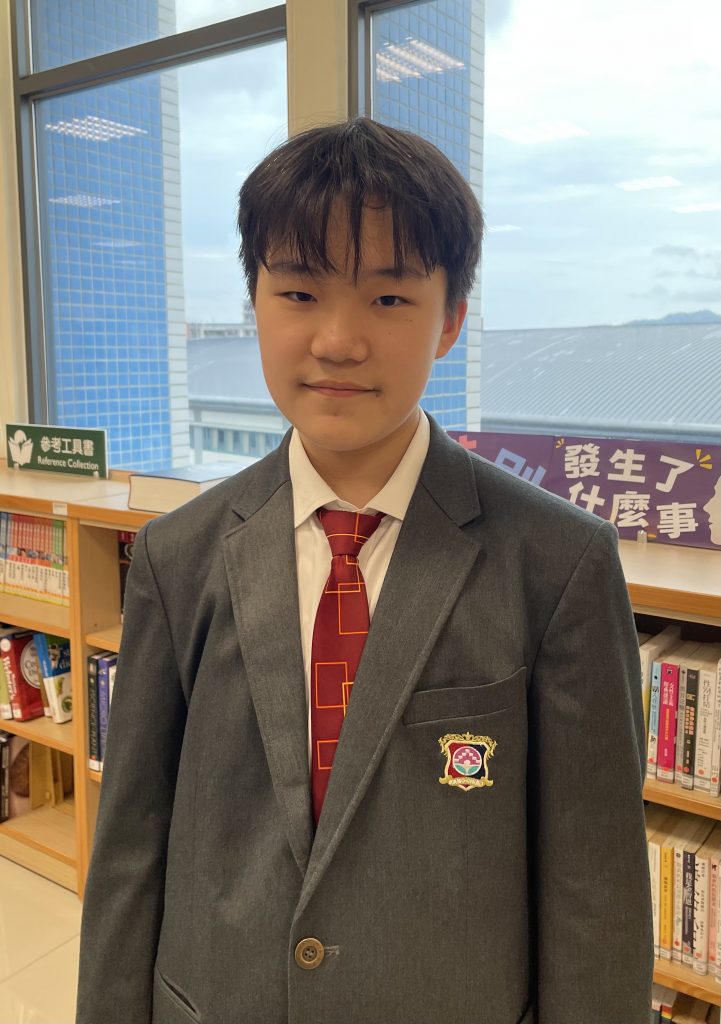
In this theme, I learned the importance of the belief of the land among the people, and also realized the changes of the land public from the past to the present. In the process of our interview, I found that the land man was the anthropomorphism of human beings and nature. It was the people’s sacrifice to the gods to pray for a good harvest of crops. The public is the most pro-people in people’s beliefs, just like the chief or the chief of the neighbor in real life. You can pray for many things, such as a safe family, a smooth career, a wide range of financial resources, and good health… This interview gave me a very valuable experience, because it was the first time I made an appointment with a stranger and then interviewed with my other team members. We should prepare the questions in advance, listen carefully, and take notes during the visit, so that we can find out the key points when sorting them out. Be sure to be more prepared next time.
Albert Lin
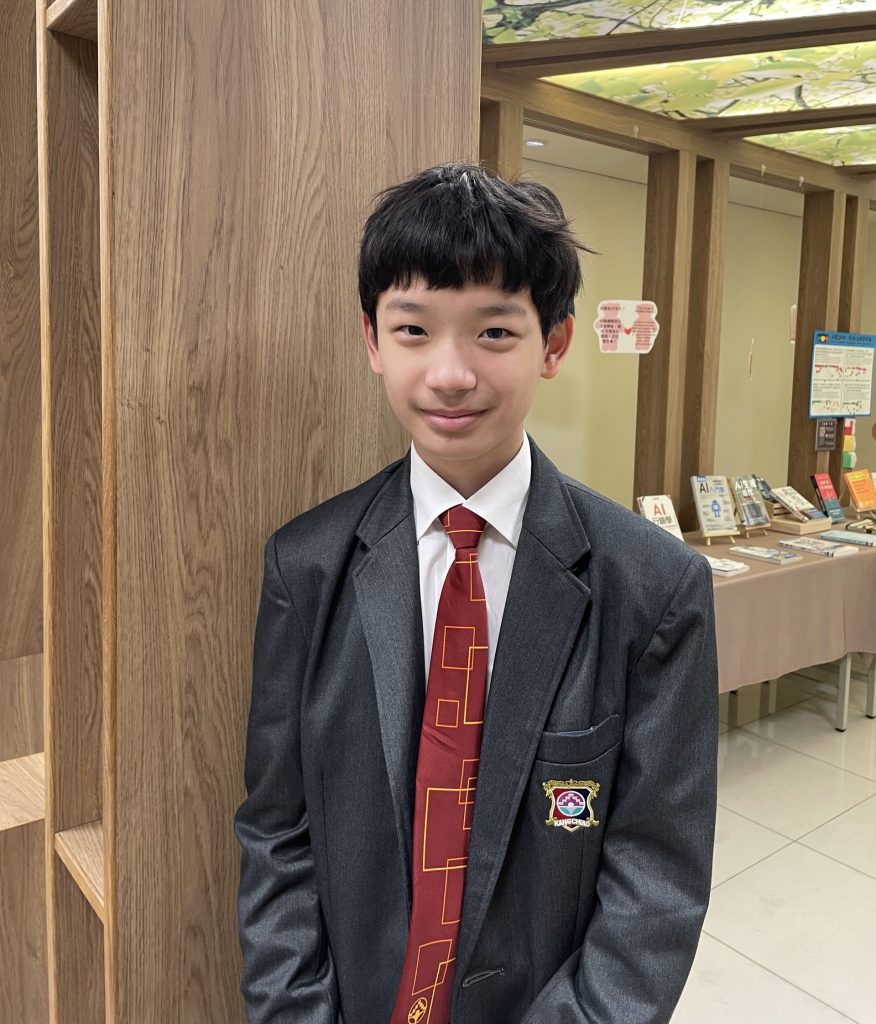
At this year’s Cyberfair, I was nervous and excited because it was my first time participating. Before I participated in the event, I had some experience with praying to local deities, and after being a part of the research team, I realized that the Tu-Di-Gong is not only a folk belief but also a source of comfort for people. I also learned how the original three stones gradually transformed into a cultural temple. During our research, we went to the Tu-Di-Gong cultural center and interviewed the director, who answered questions that made me understand more about Tu-Di-Gong. Overall, the project changed how I view Tu-Di-Gong as a deity; not only is he a commonly seen god, but he is also the one who acts as the emotional supporter that is necessary for early Taiwanese citizens.
Lynn Hsing
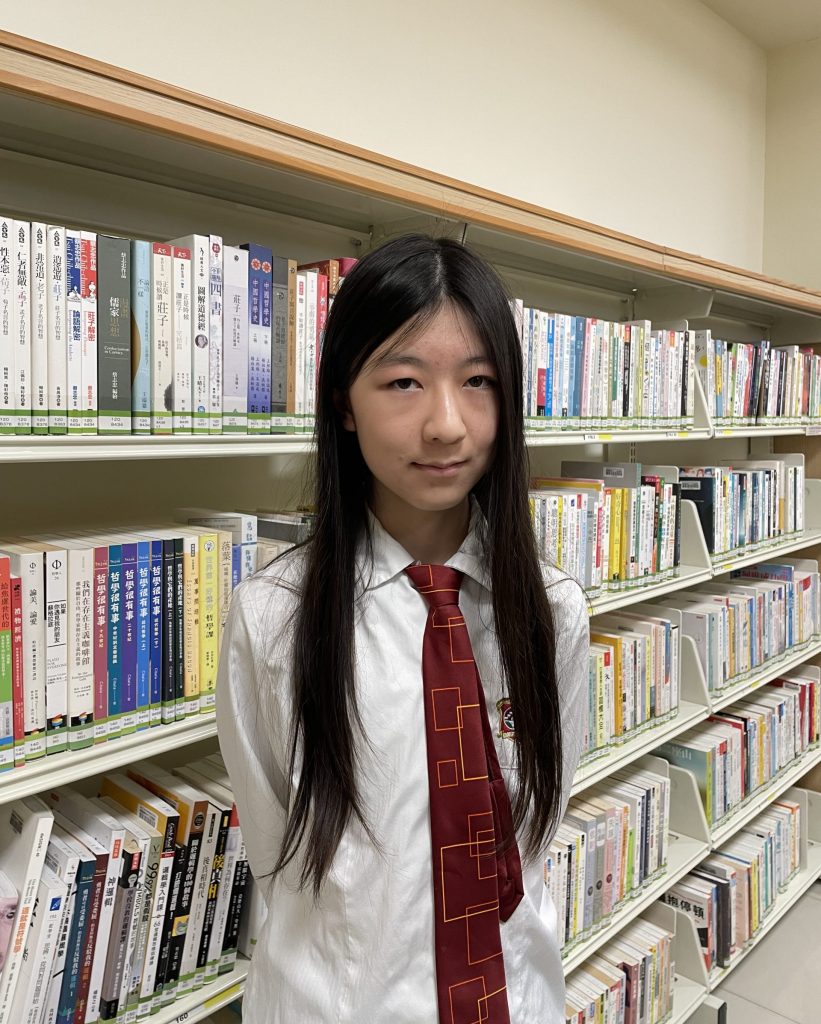
Jyung Jie Wu
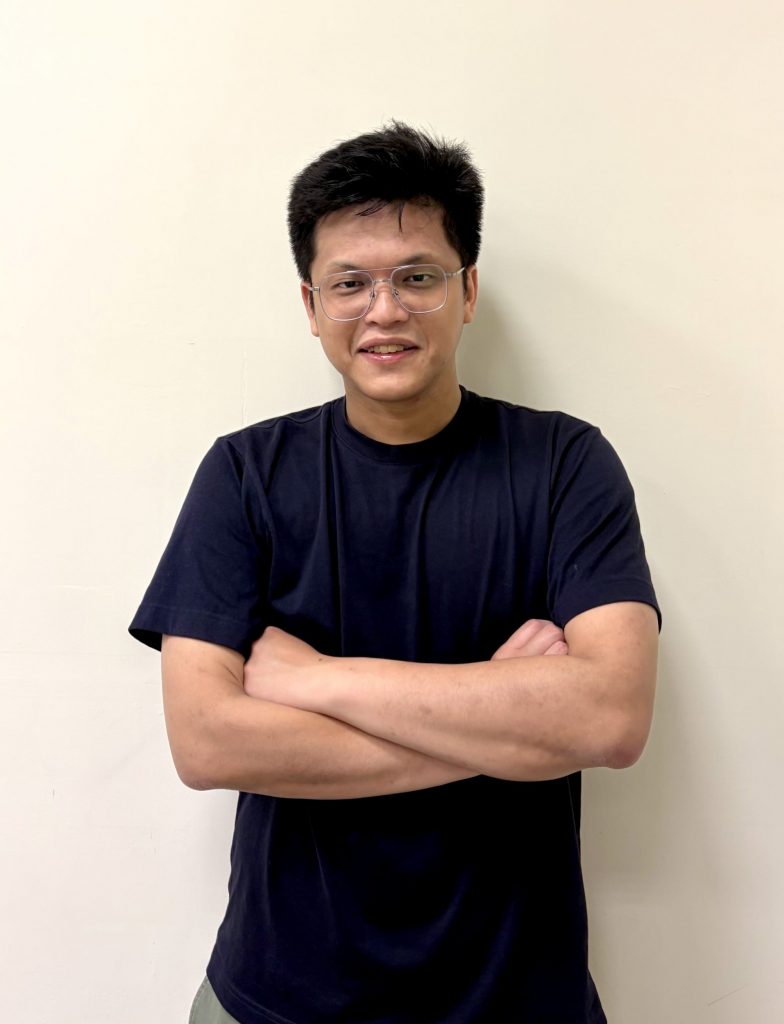
Ruo Lan Chen